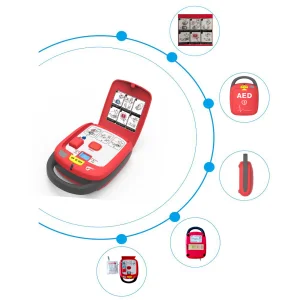
Overview & Basic Info
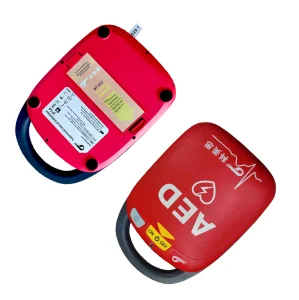
Product Name
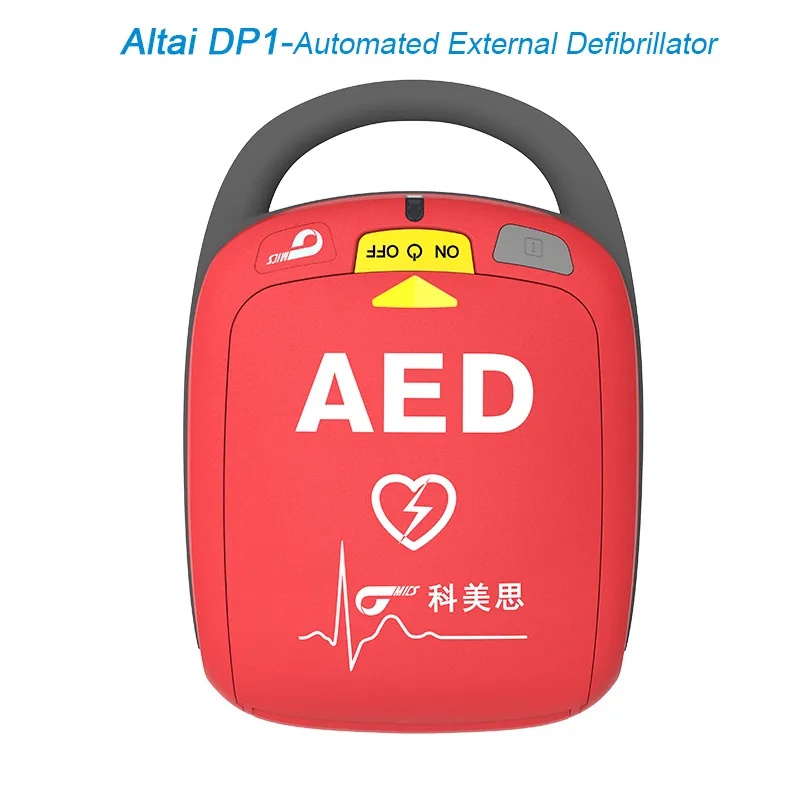
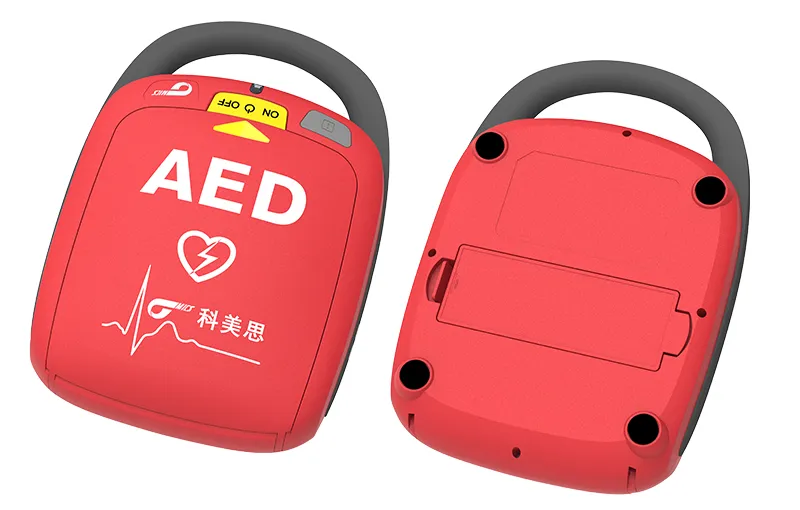
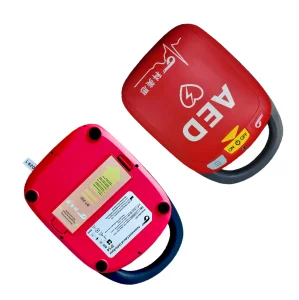
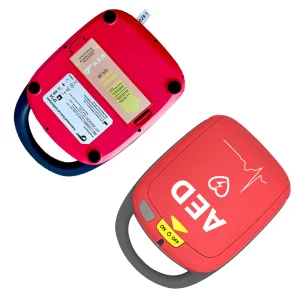
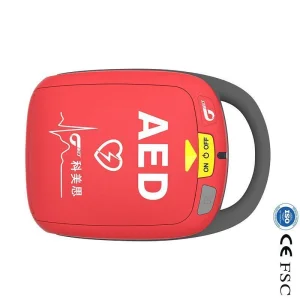
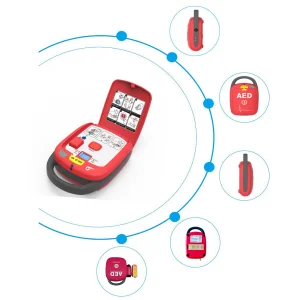
Automatic External Defibrillator (AED)
Certification
CE, MSDS, ISO13485, Nmpa, FSC
Shock Output
150J (Adult), 50J (Children)
Battery Type
Non-Rechargeable Li-Mn Battery
Shock Frequency
At least 200 shocks
Weight
1.9 Kg / 2.3 Kg (Net)
Product Description
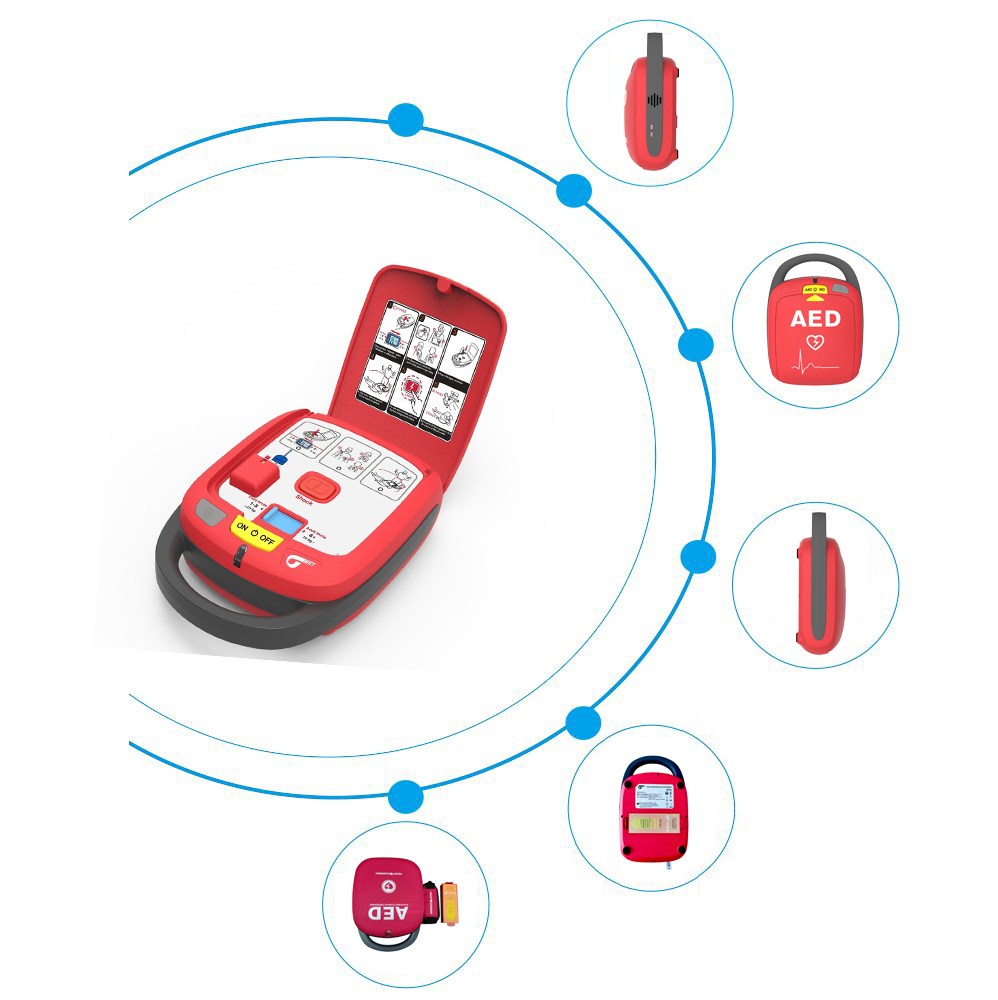
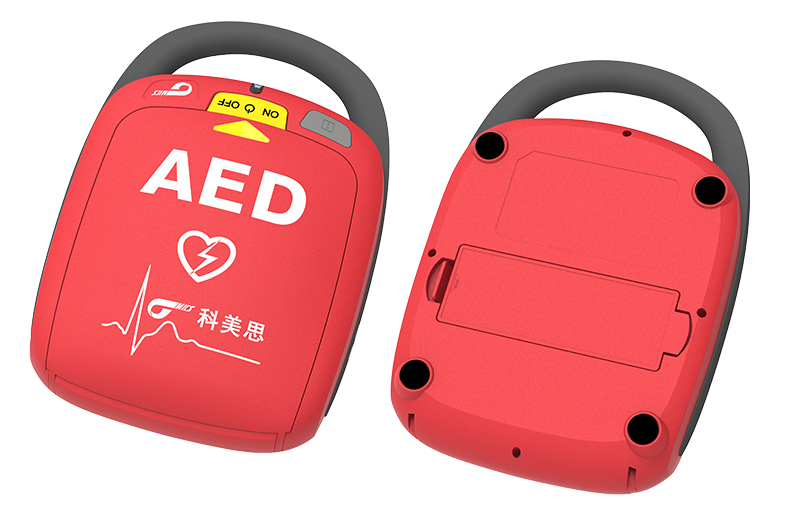
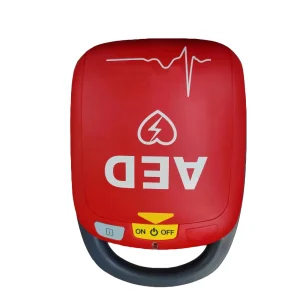
Automatic External Defibrillator (AED) with Low Energy BTE & Bluetooth
Product Parameters
| ECG Analysis |
8.5 Seconds |
Battery Pack |
12V, 6000 mAh (4 year lifetime) |
| Hi-Cap Charging |
8 Seconds |
Shock Frequency |
Not less than 400 times |
| Shock Output |
50 J (Child), 150 J (Adult) |
Electrode Pads |
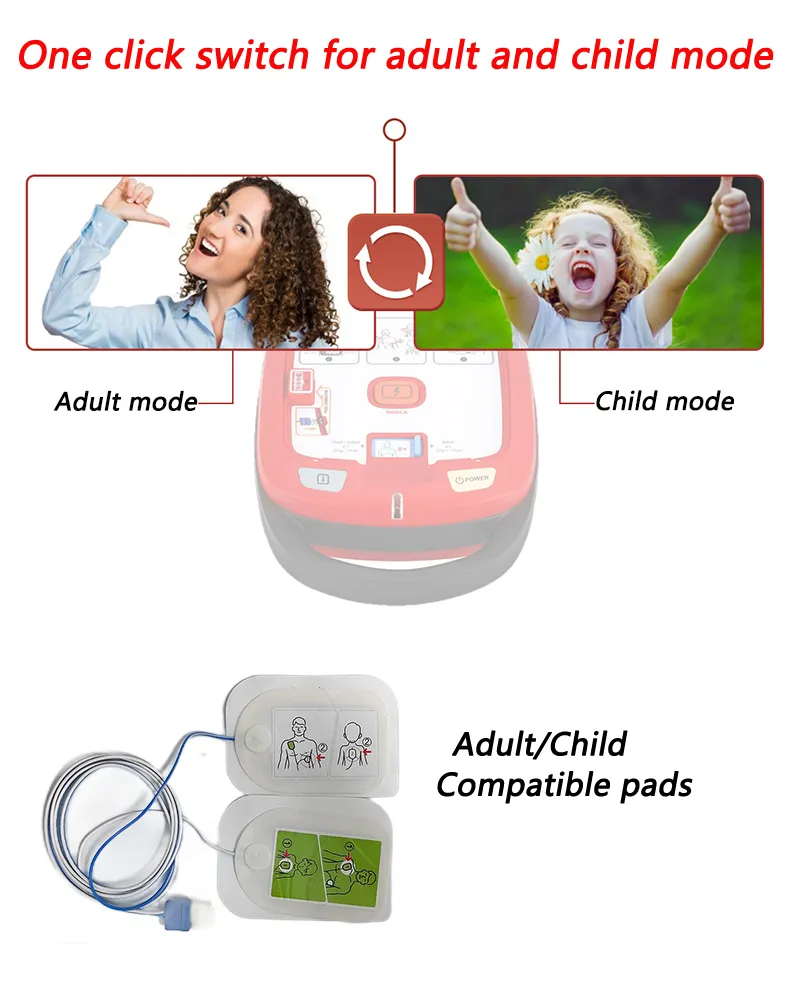
Adult/Pediatric compatible (6 year lifetime) |
| Data Storage |
90 minutes (ECG & Sounds) |
Voice Guide |
English/Chinese/Customized |
Key Features & Advantages
Biphasic Truncated Exponential (BTE) with low energy to minimize injury.
High capacity Li-MnO2 battery supporting up to 400 shocks.
Automatic recording of ECG data and ambient sounds.
Preinstalled compatible electrode pads for both adults and children.
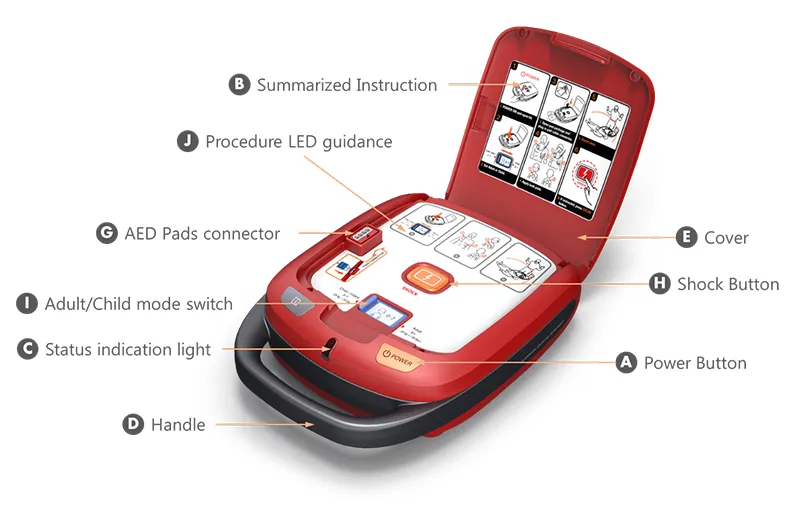
One-step operation: Power on automatically when cover is opened.
Daily self-test and automatic status indication.
Shorter analysis time and faster shock preparation.
Simultaneous ECG analysis and precharging for better efficiency.
Gallery & Production
Frequently Asked Questions
How long is the battery life of the AED?
The non-rechargeable Li-MnO2 battery has a 4-year lifetime and can support up to 400 shocks.
Can the electrode pads be used on children?
Yes, the device features preinstalled electrode pads that are compatible with both adult and pediatric patients.
Does the device record data during a rescue?
Yes, it automatically records 90 minutes of ECG data and surrounding sounds during the complete operation.
Is the device easy for non-professionals to use?
Absolutely. It features one-step operation (power on when cover opens) and a full voice guide to lead the user through the process.
What are the benefits of Low Energy BTE technology?
Biphasic Truncated Exponential technology provides automatic waveform adjustment, shorter analysis time, and minimizes myocardial injury.
How often does the unit perform self-tests?
The unit performs daily self-tests and an automatic self-test every time it is powered on to ensure readiness.
 Vdi Medical