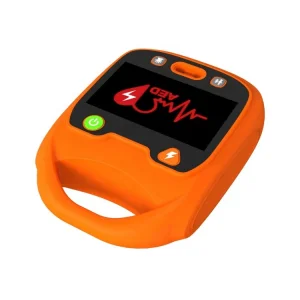
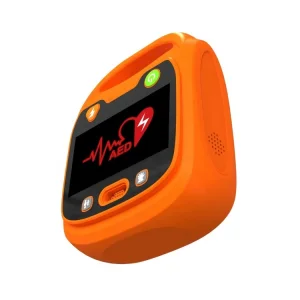
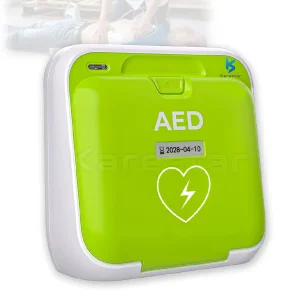
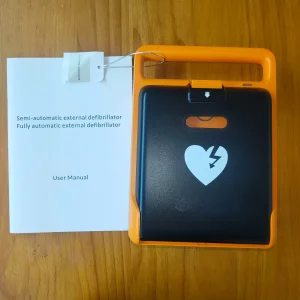
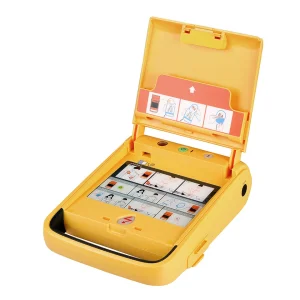
Sudan's healthcare infrastructure is currently undergoing a strategic transformation. With the expansion of urban centers like Khartoum, Port Sudan, and Omdurman, and the simultaneous growth of the mining and oil industries in remote regions, the demand for localized emergency medical technology has reached an all-time high. Cardiovascular diseases remain a significant health challenge in the region, where Sudden Cardiac Arrest (SCA) requires an immediate response—often before professional paramedics can reach the scene.
As a leading Semi-Automatic AED Factory & Supplier in Sudan, Vdi Medical recognizes that the Sudanese climate and industrial environment present unique challenges. Dust resistance, high-temperature tolerance, and multilingual voice prompts (Arabic and English) are not just features; they are requirements for survival. Our mission is to bridge the "survival gap" by providing robust, biphasic technology that empowers even non-medical bystanders to save lives in offices, mines, and remote agricultural sites.
Our AEDs meet international ISO 13485 and CE standards, ensuring that NGOs and global enterprises operating in Sudan receive equipment of the highest reliability.
Designed for the harsh Saharan environment, featuring IP55 ratings for dust and water protection, essential for Port Sudan’s maritime and the Red Sea mining sectors.
With Sudan's geographical vastness, "Public Access Defibrillation" (PAD) is the only viable strategy to reduce mortality rates during the first 4 minutes of a cardiac event.
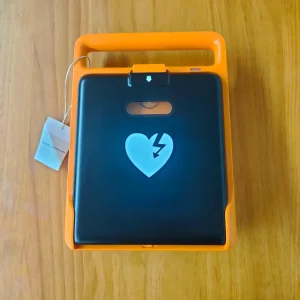
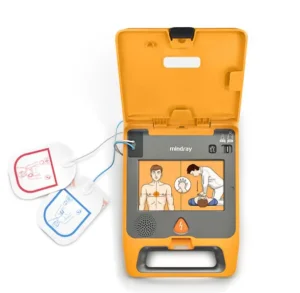
Founded in 2012, Vdi Medical is the first domestic medical device manufacturer to have its independently developed AED (Automated External Defibrillator) products certified by NMPA. It offers a full range of AEDs and pre-hospital emergency solutions.
Vdi Medical AED deployments have reached nearly 100,000 units, securing the second-highest domestic market share, and its products have entered over 30 countries and regions. Vdi Medical AEDs demonstrated a first-shock success rate exceeding 98% in animal trials and have successfully resuscitated over 150 patients to date.
The future of defibrillation lies in the integration of Artificial Intelligence and the Internet of Medical Things (IoMT). Our technical roadmap for 2024-2030 focuses on three core pillars:
For the Sudanese market, this means lower maintenance costs and higher readiness. No longer will an AED sit with a dead battery; our system alerts the maintenance team automatically via SMS or Email.
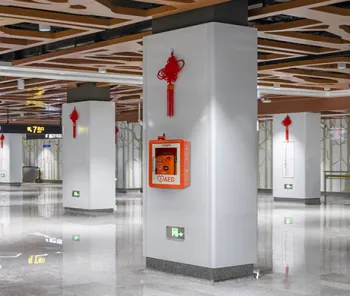
Public Places & Government Hubs
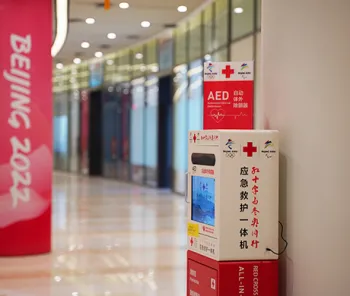
Gyms and Sports Centers
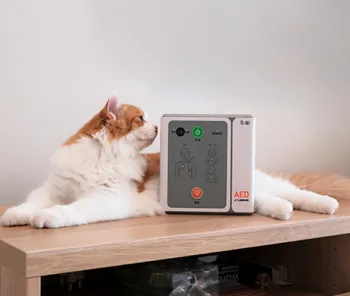
Residential & Home Care
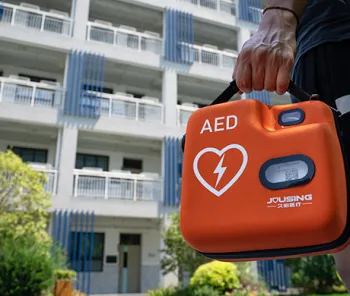
Educational Institutions
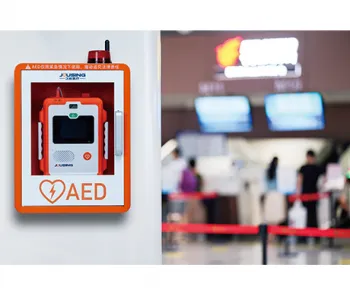
Transportation & Logistics
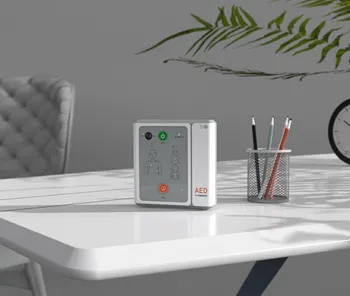
Corporate Offices & Factories
Sourcing an AED from a factory is only the first step. For Sudan, localized support is the backbone of authoritativeness. Vdi Medical provides a comprehensive "Rescue Ecosystem" that includes training mannequins, replacement pads, and authorized service centers.
Compliance & Quality Assurance: Every unit shipped to Sudan undergoes rigorous "Biphasic Truncated Exponential" (BTE) waveform testing. This technology adjusts the shock duration based on the patient's impedance, ensuring a customized and safer therapy compared to older monophasic devices. We assist our Sudanese partners with Ministry of Health (MOH) registration and customs documentation to ensure a seamless supply chain from factory to hospital.
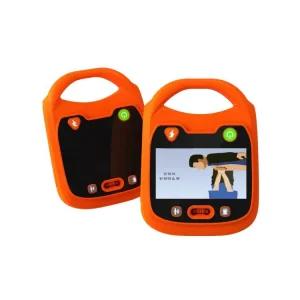
A: Semi-automatic models allow the rescuer to ensure everyone is clear of the patient before manually pressing the shock button. In high-stress industrial or crowded public environments, this provides an extra layer of safety for the responder.
A: Yes, our specialized export units for the Sudan market feature dual-language support (English/Arabic) to ensure clear communication during a life-saving event.
A: Our devices are tested for operating temperatures up to 50°C and storage up to 70°C, making them the most durable choice for the African climate.
A: Typically, our batteries offer a 4-5 year standby life, and pads are valid for 2 years. Our remote monitoring system can alert you 3 months before expiration.
Request a customized quote for bulk procurement or industrial solutions.
Send Inquiry Now Vdi Medical