Engineered to secure portable medical devices across challenging operational ecosystems, providing structural resilience, rapid access, and complete integration.
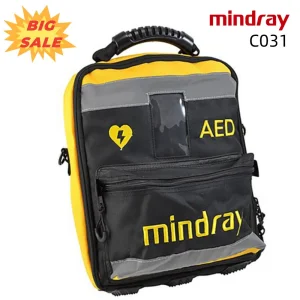
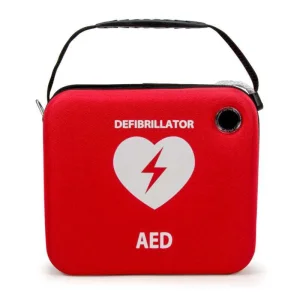
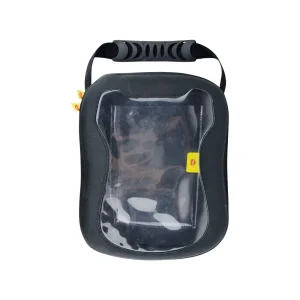
Sudden Cardiac Arrest (SCA) remains a primary public health concern in Latvia and across Northern Europe. Resuscitation guidelines emphasize that the likelihood of patient survival declines by 7% to 10% for every minute of delayed defibrillation. To mitigate these risks, municipal health programs, shipping fleets, forestry management organizations, and infrastructure developers are adopting Public Access Defibrillator (PAD) programs. Central to this initiative is the deployment of lightweight, high-performance AEDs configured for rapid mobilization in harsh environment networks.
In Latvia, emergency medical response operations are organized by the State Emergency Medical Service (Neatliekamās medicīniskās palīdzības dienests - NMPD). While metropolitan centers like Riga, Daugavpils, and Liepāja benefit from centralized rescue infrastructure, geographic remote areas including the forests of Kurzeme and coastal ports of Ventspils demand localized response capabilities. Legislative updates under national work environment laws are pushing industrial facilities, schools, and transit authorities to install compliant AED equipment. Crucially, environmental fluctuations in the Baltic region, ranging from freezing sub-zero winters to coastal humidity, require defibrillator chassis protection to maintain strict temperature thresholds and IP ratings (IP55/IP56).
The global AED manufacturing sector is executing a major technical shift toward ultra-lightweight portability, ruggedization, and remote IoT management. Key architectural trends include:
Operating AEDs in the Baltics introduces unique environmental constraints. Cold-temperature storage degrades lithium battery performance and increases internal resistance, which can slow down defibrillator charge times. To resolve this, our next-generation lightweight carry systems utilize micro-insulation layers and heat-reflective materials, ensuring components remain within operational ranges (+0°C to +50°C) even when stored in emergency vehicle cargo compartments overnight. Additionally, the soft-shell fabrics are treated with water-resistant coatings to prevent damage during damp coastal rescues.
Founded in 2012, Shaping Global Pre-Hospital Care
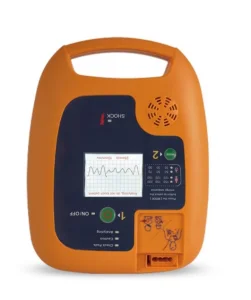
Vdi Medical stands as a pioneering developer and manufacturer of advanced automated external defibrillators and diagnostic response kits. We offer an integrated system of intelligent AED hardware, protective carry gear, training platforms, and cloud-based fleet monitoring systems designed to protect lives in diverse environments.
Contact Factory RepresentativeVdi Medical is the first domestic medical device manufacturer to have its independently developed AED products certified by the NMPA, establishing a reliable baseline of quality and development rigor. With an annual production capacity of 300,000 AED units, we support international healthcare projects, public safety agencies, and medical distributors across more than 30 countries and regions, including specialized systems tailored to the Latvian market.
From Riga transit systems to offshore vessels, our systems are optimized to ensure quick deployment in high-stress situations.
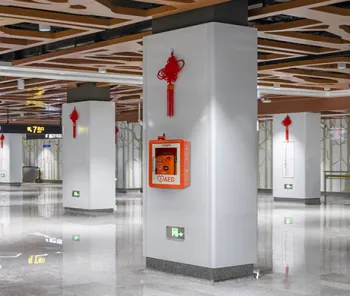
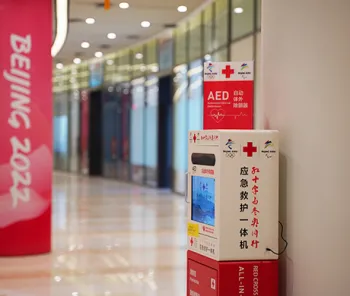
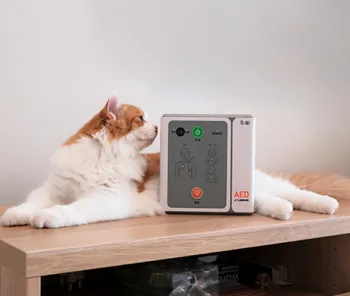
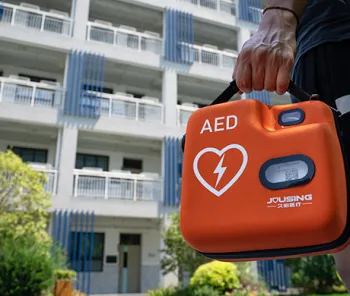
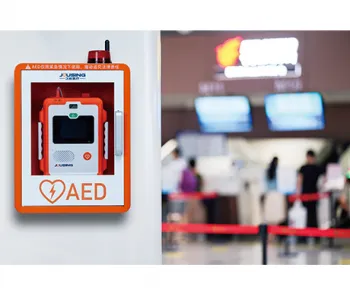
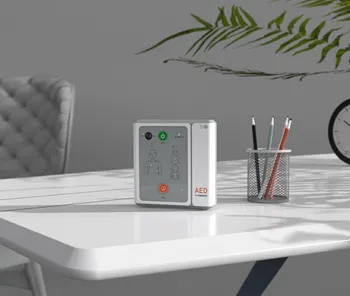
How Vdi Medical's lightweight accessories protect vital components from physical impacts and environmental moisture.
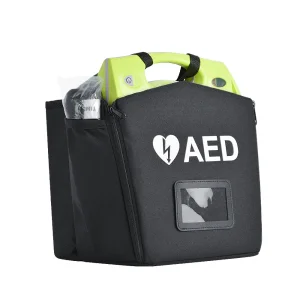
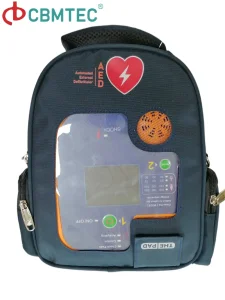
The outer shells of Vdi Medical's semi-rigid carry cases are constructed from pre-formed ethylene-vinyl acetate (EVA) laminated with ballistic 1680D nylon. This creates a lightweight, flexible casing with high structural memory. Upon physical impact, the outer layers deflect localized kinetic energy away from the AED's internal PCBA, liquid crystal displays, and high-voltage capacitor arrays, preventing micro-cracks in the circuitry.
For marine and industrial environments, the zip closures feature polyurethane laminated seal tracks. This construction offers dust protection and moisture resistance, protecting internal components during coastal search and rescue operations.
Our cases are designed with transparent window panels made of high-clarity thermoplastic polyurethane (TPU). This allows safety officers to inspect the AED's status indicator window without opening the protective cover.
By enabling quick status checks of battery charge level and diagnostic readiness, safety managers can inspect high-volume deployments across multiple stations efficiently, helping maintain fleet readiness.
High-reliability emergency kits designed for first responders, fleet managers, and industrial safety officers in the Baltic region.
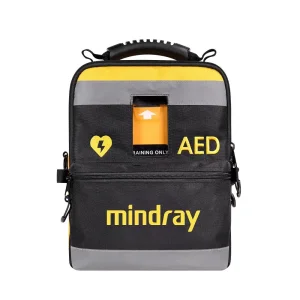
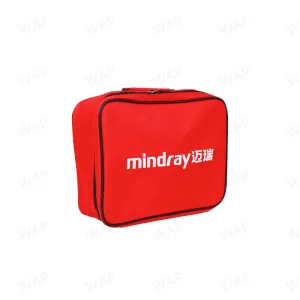
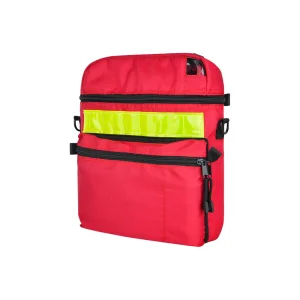
Looking for alternative configurations, customized sizing, or co-branded rescue kits?
Get Customized Solution QuotationAnswers to common technical, logistics, and compliance questions from medical distributors and safety managers in the Baltics.
 Vdi Medical