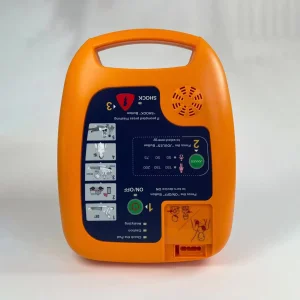
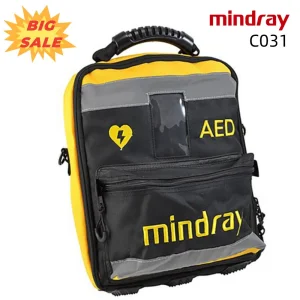
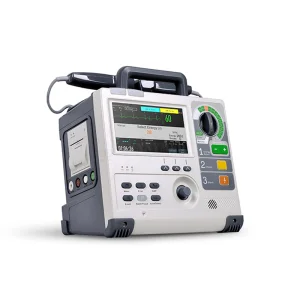
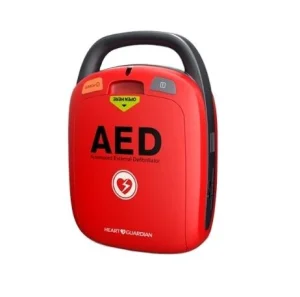
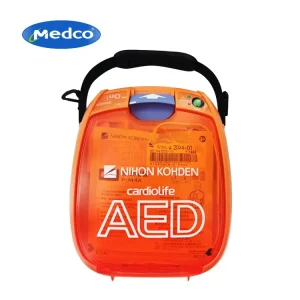
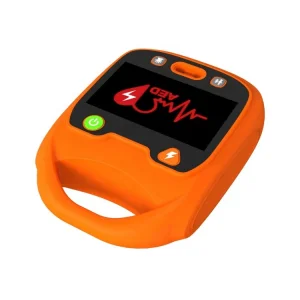
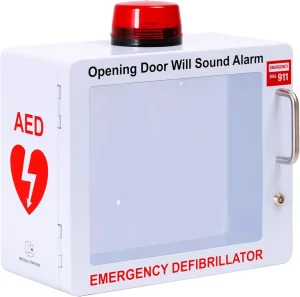
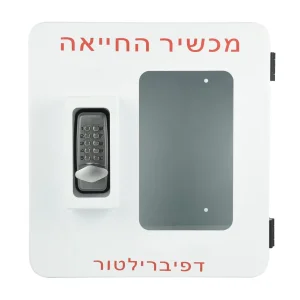
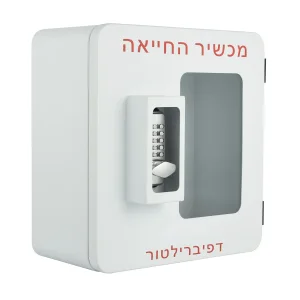
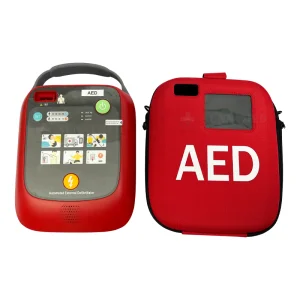
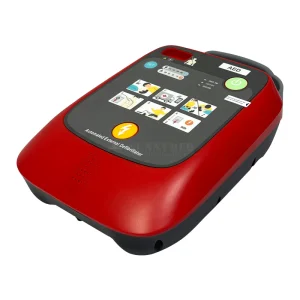
In the high-stakes world of firefighting and emergency services, every second counts. As the primary responders to cardiac arrest incidents, firefighters require specialized Automated External Defibrillators (AEDs) that can withstand extreme environments—heat, smoke, moisture, and impact. The global industrial landscape for Firefighter AEDs is shifting toward more ruggedized, intelligent, and interconnected systems.
Global Deployments
First-Shock Success
Exporting Countries
Annual Capacity
Recent data indicates a surge in procurement from municipalities across North America, Europe, and Southeast Asia. These entities are not just looking for off-the-shelf products; they demand Custom Firefighter AED solutions that integrate with local emergency dispatch protocols and can be maintained through cost-effective global supply chains.
The next generation of AEDs is moving beyond simple voice prompts. We are seeing the rise of AI-assisted ECG analysis, which can differentiate between shockable and non-shockable rhythms with unprecedented accuracy (exceeding 98% in trials). This is vital for firefighters working in noisy environments where auditory cues might be missed.
Key trends include IoT-enabled fleet management, allowing fire departments to monitor the battery health and electrode status of thousands of units remotely. As a leading manufacturer, Vdi Medical integrates these AI capabilities into every unit, ensuring that "Public Access" doesn't mean "Low Quality."
Founded in 2012, Vdi Medical represents the pinnacle of Chinese medical engineering. We were the first domestic manufacturer to receive NMPA certification for independently developed AEDs. Our factory offers a unique combination of high production capacity (300,000 units annually) and rigorous quality control.
Firefighter AEDs aren't just for fire trucks. Our specialized solutions cater to a variety of critical environments:
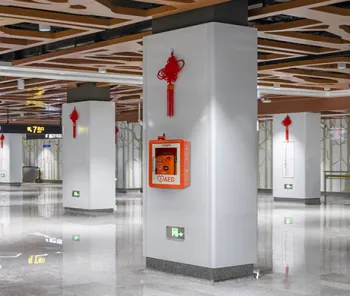
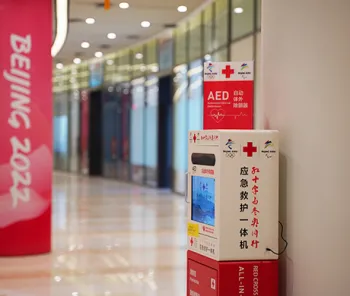
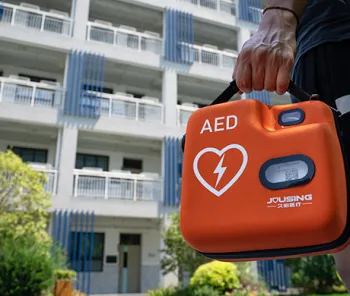
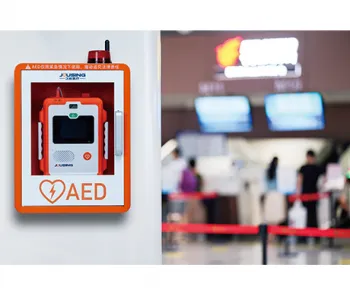
Vdi Medical AED deployments have reached nearly 100,000 units, securing the second-highest domestic market share. Our AEDs demonstrated a first-shock success rate exceeding 98% in animal trials and have successfully resuscitated over 150 patients to date.
Read More About Our Mission Vdi Medical