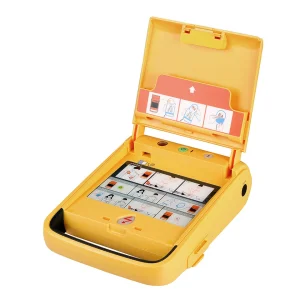
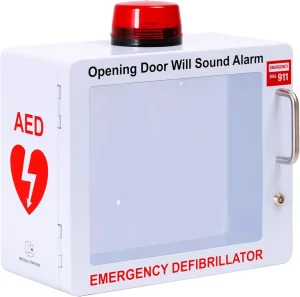
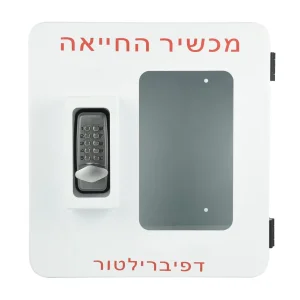
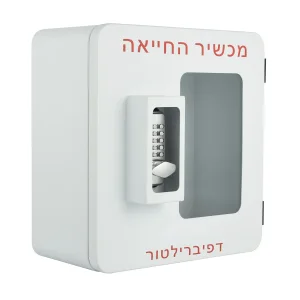
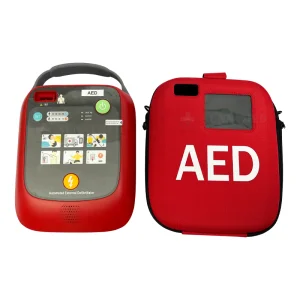
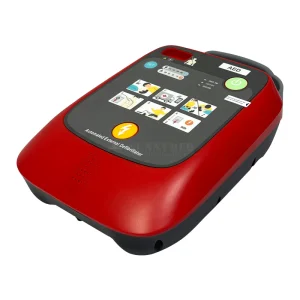
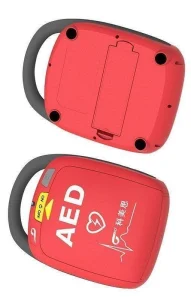
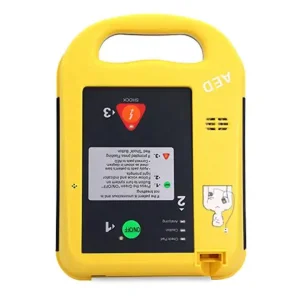
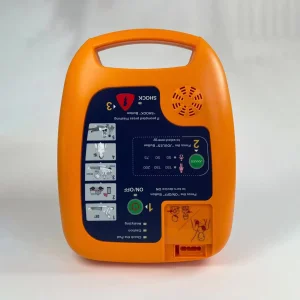
 Portable AED Cardiac First Aid Surgery Machine
Ambulance Defibrillator Automated External
Portable AED Cardiac First Aid Surgery Machine
Ambulance Defibrillator Automated External
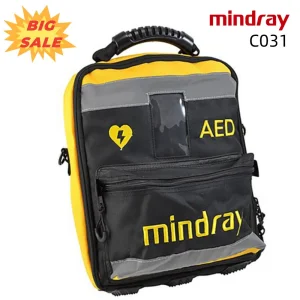 AED Defibrillator Box Bag for Mindray C Series
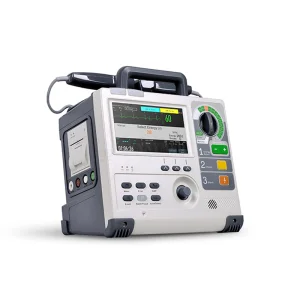 SY-C026A Defibrillator Monitor Life Point
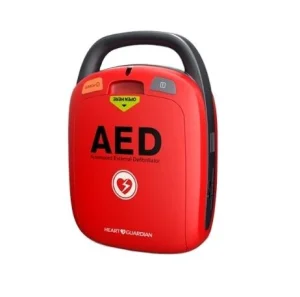 Medical Portable AED External Defibrillator
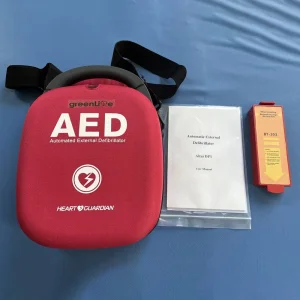 High Quality First Aid AED Set for Emergency
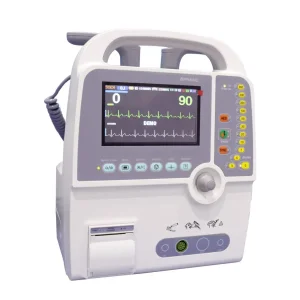 AED CPR Training Machine & Resuscitation Drill
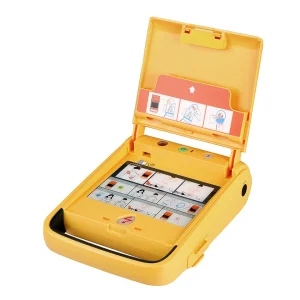 Portable CPR AED Device for Adult Pediatric
The global market for Automated External Defibrillators (AEDs) is witnessing unprecedented growth, driven by increasing awareness of Out-of-Hospital Cardiac Arrest (OHCA) and legislative mandates in many developed and developing nations. Central to the reliability of these devices is the non-rechargeable AED battery.
Unlike standard consumer electronics, AEDs require power sources that can remain dormant for years yet deliver high-energy shocks in seconds. The industry has standardized on Lithium Manganese Dioxide (LiMnO2) technology due to its exceptional shelf life (up to 5-7 years) and stable discharge profile. Currently, the North American and European markets dominate consumption, but the Asia-Pacific region is emerging as a manufacturing powerhouse and a rapidly growing consumer base.
The industry is moving beyond simple energy storage towards "Smart Power Solutions." Modern non-rechargeable AED batteries are now being integrated with IoT (Internet of Things) capabilities. This allows facility managers to monitor battery health, expiration dates, and self-test results remotely via cloud platforms.
From healthcare providers in Germany to public transport authorities in Japan, procurement requirements for AED batteries are becoming increasingly stringent. International buyers prioritize three main factors: Certification, Compatibility, and Continuity.
A reliable supplier must provide batteries that are not only compatible with major brands like Mindray, Zoll, Philips, or Medtronic but also meet international medical standards. China has stepped up as a top exporter by offering high-quality alternatives that undergo rigorous testing equivalent to original equipment manufacturer (OEM) standards, but at a more competitive price point.
China's dominance in the non-rechargeable battery sector is not just about labor costs; it's about a complete industrial ecosystem. As a leading hub, Chinese factories like Vdi Medical integrate R&D, chemical engineering, and precision manufacturing under one roof.
Founded in 2012, Vdi Medical is the first domestic medical device manufacturer to have its independently developed AED (Automated External Defibrillator) products certified by NMPA. It offers a full range of AEDs and pre-hospital emergency solutions.
Vdi Medical AED deployments have reached nearly 100,000 units, securing the second-highest domestic market share, and its products have entered over 30 countries and regions. Vdi Medical AEDs demonstrated a first-shock success rate exceeding 98% in animal trials and have successfully resuscitated over 150 patients to date.
Our technology is deployed across diverse environments to ensure safety everywhere.
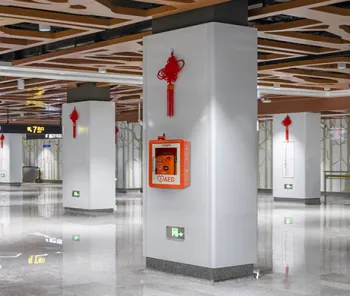
Public Places
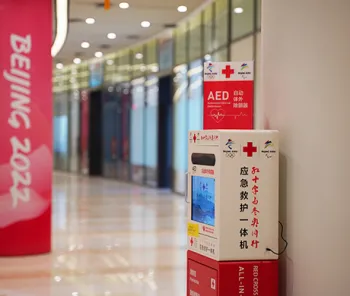
Gyms and Sports Centers
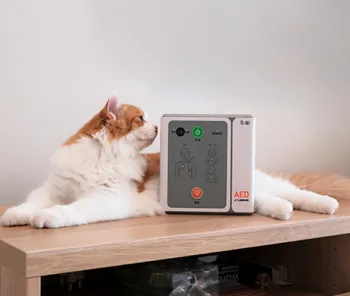
Home
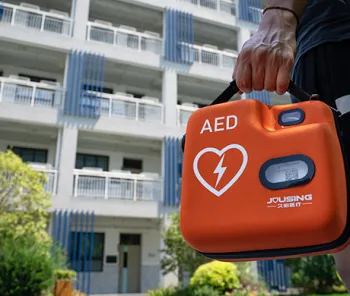
School
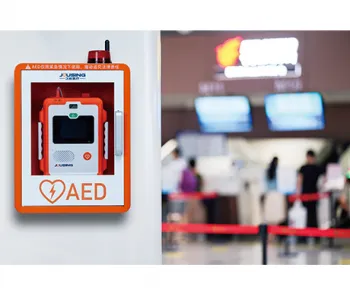
Public Transportation
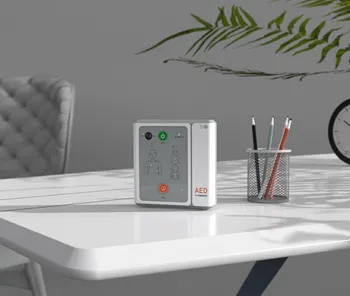
Offices
In high-traffic areas, the AED is often the only thing standing between life and death. The non-rechargeable battery is designed for these specific scenarios:
In oil rigs or mining sites where charging infrastructure is non-existent, a battery with a 5-year standby life is essential. Our batteries are tested to withstand vibration and extreme temperatures, ensuring the AED is ready even in the harshest conditions.
For facility managers, low maintenance is key. Non-rechargeable batteries eliminate the need for monthly charging cycles. The "set it and forget it" nature of these power sources allows companies to remain safety-compliant with minimal effort.
Cities implementing PAD programs in subways and parks rely on long-term battery stability. Our batteries support the high-energy demands required for pediatric and adult rescue modes instantly.
 Vdi Medical