In the realm of emergency healthcare, the efficiency of defibrillators is paramount. As technology advances, ensuring safety during the charging process of these critical devices is essential. Dr. Emily Harrington, a leading expert in medical devices, emphasizes, "Our focus must be on methods that enhance charging safety and efficiency for medical defibrillation devices." This insight highlights the need for rigorous strategies to improve usability without compromising safety.
Charging incidents can occur due to a variety of factors. Inappropriate charging environments or improper usage contribute to potential hazards. Educating users about these risks can significantly improve outcomes. Real-life examples illustrate that even minor oversights in maintenance can lead to system failures. It's evident that stakeholders must continuously reflect on their practices to uphold the integrity of these life-saving tools.
The importance of enhancing charging safety and efficiency for medical defibrillation devices cannot be overstated. As we advance in technology, the challenges persist. By focusing on training and implementing best practices, we can mitigate risks and enhance overall device performance. The healthcare community has an ongoing responsibility to ensure that every charge reinforces trust in these vital devices.
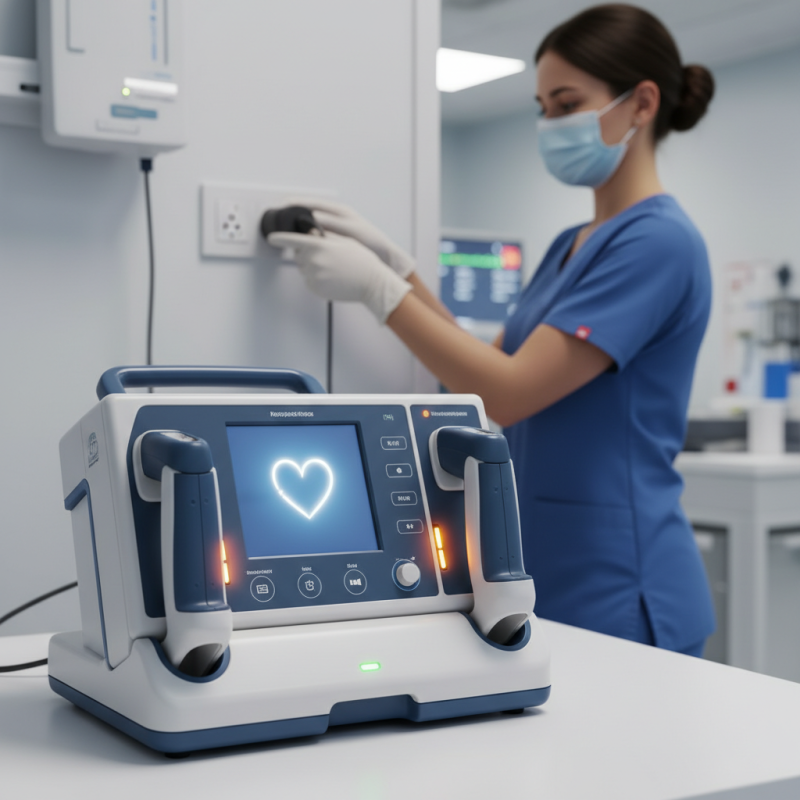
Properly storing defibrillator batteries is crucial for ensuring their reliability in emergencies. When batteries are stored at optimal temperatures, their performance significantly improves. Aim for a cool, dry location, away from direct sunlight or moisture. Extreme temperatures can degrade battery life and functionality. Regularly check storage conditions to avoid potential issues.
Periodic inspections of battery conditions are necessary. Look for any signs of corrosion or damage. Batteries that appear swollen or have leakage should be replaced immediately. Even seemingly minor issues can lead to significant failures later. Keeping a record of battery expiration dates helps prevent unexpected malfunctions during crucial moments.
An effective storage strategy includes organizing batteries by their charge status. This ensures that fully charged batteries are readily available. Consider using color-coded labels or containers to indicate the levels. Having a systematic approach not only enhances safety but also promotes efficiency. Always ensure that your defibrillator is ready when the moment demands it.
Regular maintenance checks are vital for defibrillators. They ensure the device is ready when needed. A defibrillator that hasn’t been checked may fail during a critical moment. This reality demands proactive attention from healthcare providers.
Routine inspections involve checking battery levels, updating software, and inspecting pads. All components should be in optimal condition. It’s easy to overlook these checks in a busy environment. Yet, a minute of neglect can result in dire consequences. Staff should schedule regular reviews. Maintaining a log can help track any issues and repairs.
Education enhances awareness around maintenance. Training sessions keep staff informed about procedures. Staff often feel confident, but complacency can creep in. The goal is to ensure accessibility and reliability. Ultimately, consistent checks reinforce the safety net for patients and staff alike.
When it comes to defibrillators, using the recommended charging equipment is crucial for optimal performance. Ensuring your device operates at peak efficiency can dramatically impact patient outcomes. According to a study from the American Heart Association, properly charged defibrillators improve survival rates by up to 25% in critical situations.
It's essential to always choose equipment that meets industry standards. Compatibility issues can lead to inefficient charging or even device failure. Research indicates that 40% of defibrillator malfunctions originate from using substandard charging accessories. Moreover, routine maintenance checks are necessary. Neglect can result in undiscovered wear and tear, creating safety concerns during emergencies.
Using quality equipment can mean the difference between life and death. Even minor issues like a frayed charging cord can cause a malfunction. Regular training and performance audits can enhance team preparedness. Despite efforts, many hospitals still struggle to maintain a consistent charging routine, reflecting a culture that can be improved. Prioritizing the right tools and practices is a step towards ensuring reliability in emergency care.
This bar chart illustrates the charging efficiency percentages of various defibrillator charging equipment. Each piece of equipment is evaluated to ensure optimal performance and safety through enhanced charging practices.
Monitoring battery health is crucial for defibrillator performance. A well-maintained battery can save lives.
Check the battery voltage regularly. Low voltage can lead to device failure. Set up a schedule for these checks to ensure consistency.
Evaluate the battery’s lifespan carefully. Replace batteries that are nearing their end. Age and usage can significantly affect performance.
Document each battery's usage history. This will help you anticipate potential issues.
Consider proper charging practices. Overcharging can reduce battery lifespan. Use charge indicators to avoid this. Keep devices in a cool, dry place. High temperatures can lead to rapid battery degradation.
These steps enhance safety and efficiency, providing peace of mind in emergencies.
Training personnel on safe charging protocols and procedures is critical for effective defibrillator use. According to a study by the American Heart Association, 56% of emergency responders reported inadequate training on defibrillator maintenance. This gap can lead to malfunctioning devices in critical moments. Regular training sessions ensure that staff understand charging techniques and safety measures.
Visual aids can enhance retention. Use diagrams to illustrate proper charging methods. Hands-on demonstrations reinforce learning. A statistic from the Journal of Emergency Medical Services indicates that teams trained with simulation saw a 30% increase in successful device operation. Consistent training helps staff recognize and address potential hazards.
Creating a culture of safety is essential. Encourage team discussions about charging experiences and challenges. This fosters an open environment for feedback. Regular reviews can highlight areas needing improvement. The aim is to prioritize patient safety through diligent training and adherence to protocols.
| Tip Number | Tip Description | Importance |
|---|---|---|
| 1 | Inspect charging equipment regularly for wear and tear. | Critical |
| 2 | Ensure connection points are clean and free from debris. | High |
| 3 | Use only manufacturer-recommended chargers. | Essential |
| 4 | Train personnel on safe handling of batteries and chargers. | Very Important |
| 5 | Store defibrillators in a cool, dry place when not in use. | Important |
| 6 | Check battery levels before each use. | Essential |
| 7 | Implement a charging schedule to prevent overcharging. | Critical |
| 8 | Utilize alarms or indicators for low battery warnings. | Very Important |
| 9 | Regularly update maintenance logs for charging equipment. | Important |
| 10 | Keep emergency contact information easily accessible. | Essential |
: Recommended charging equipment ensures optimal performance, significantly improving patient outcomes in emergencies.
Using poor-quality accessories can cause inefficient charging and potentially lead to device failure.
Regular checks on battery voltage are crucial, as low voltage can lead to device failure.
Batteries close to expiration should be replaced to ensure the device functions properly.
Overcharging can reduce battery lifespan, impacting the device's reliability in emergencies.
Training on safe charging protocols is critical to prevent malfunctioning devices during emergencies.
Discussions about charging experiences encourage feedback and highlight areas for improvement.
Routine maintenance helps detect issues before they become serious, ensuring device reliability.
A safety culture fosters communication among staff, enhancing awareness of potential hazards.
Visual aids and hands-on demonstrations are effective in teaching proper charging techniques.
To enhance charging safety and efficiency for medical defibrillation devices, it is crucial to follow best practices in battery storage and maintenance. Properly storing defibrillator batteries in a controlled environment helps to preserve their lifespan and performance. Regular maintenance checks are vital to ensure that the devices are functioning correctly and that the batteries are in good condition.
Utilizing recommended charging equipment ensures optimal performance and reduces the risk of malfunctions. Additionally, monitoring battery health and lifespan can help identify potential issues before they become critical. Lastly, training personnel on safe charging protocols and procedures is essential to maintain safety standards and ensure effective use of defibrillators in emergency situations. By adhering to these guidelines, organizations can significantly improve their charging processes and overall device reliability.

Vdi Medical