In life-threatening situations, a Smart Heart Defibrillator can be a lifesaver. This advanced device is designed to restore a normal heart rhythm. Quick access and proper use are crucial. Every second counts when someone experiences a cardiac arrest.
Many people do not know how to use a defibrillator effectively. They may hesitate, feeling overwhelmed. The fear of making mistakes often stops action. Training and familiarity with the Smart Heart Defibrillator can enhance confidence. Each location with a defibrillator should have clear instructions. Simple steps can lead to successful outcomes.
Moreover, regular practice can boost readiness. Consider community workshops focused on defibrillator training. However, people often overlook these opportunities. Ignoring this essential preparation may lead to missed chances. A Smart Heart Defibrillator is only as effective as the person using it. Embracing education and practice can significantly improve survival rates.
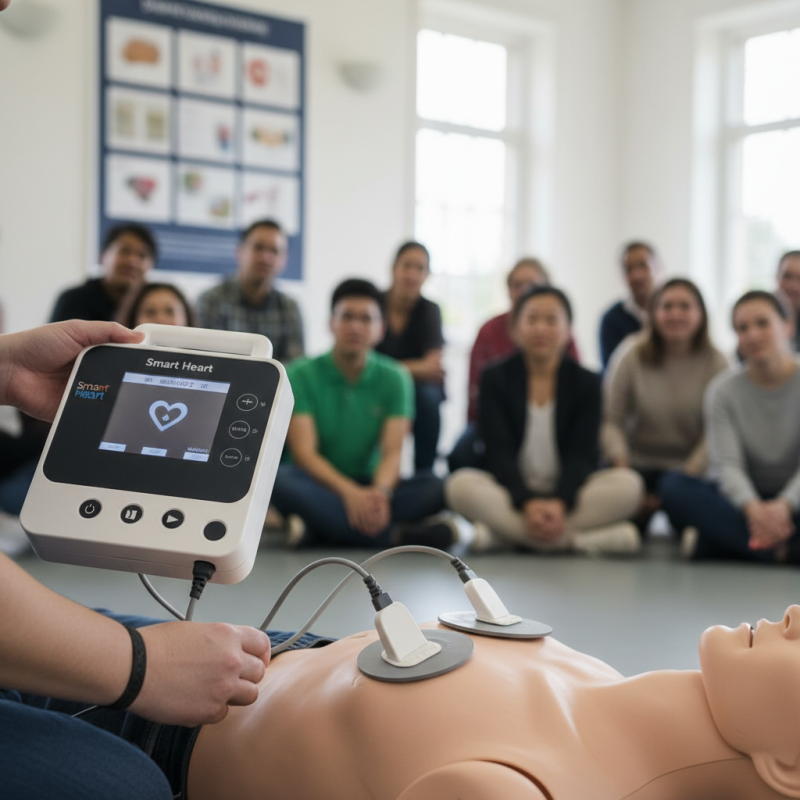
In emergencies, smart heart defibrillators play a crucial role. They detect heart rhythms and guide users through the process. These devices can analyze a patient's condition quickly. Immediate action is vital during a cardiac arrest. With clear audio instructions, anyone can assist without prior training.
People often hesitate in high-stress situations. They may fear making mistakes or misusing the device. Familiarization with the defibrillator can alleviate such concerns. Regular community training can empower bystanders. Imagine a crowded place where a sudden collapse occurs. The knowledge to use a defibrillator can save a life.
It's essential to remember that every second counts. The device also has visual prompts, simplifying the process further. However, not all users may respond quickly. In those critical moments, practice and preparedness mean everything. Anxiety can delay action, even with clear instructions. Embracing these tools can shift outcomes in emergencies. Each defibrillator can be more than just a tool; it can be a lifeline.
| Tip | Description | Importance | Frequency of Use | Training Required |
|---|---|---|---|---|
| Know the Location | Familiarize yourself with where the nearest AED is located. | Essential | Always | No |
| Check Battery | Ensure the AED's battery is functional before use. | Critical | Monthly | No |
| Follow Voice Prompts | Listen to the device for step-by-step instructions during use. | Essential | Always | No |
| Check Electrode Pads | Ensure pads are within their expiration date and properly sealed. | Critical | Monthly | No |
| Stay Clear During Shock | Make sure no one touches the patient while the AED delivers a shock. | Essential | Always | No |
: They detect heart rhythms and guide users through defibrillation.
Yes, they provide clear audio instructions for users without training.
Fear of making mistakes in high-stress situations often causes hesitation.
Regular training empowers bystanders, increasing the chance of saving a life.
Monitor the patient’s vital signs and provide comfort.
Detailed documentation helps medical teams understand the situation later.
Engage in a debriefing to discuss successes and areas for improvement.
It can delay actions, even with clear instructions provided by the device.
Every incident offers a chance to reflect and improve future responses.
Embrace imperfections and learn from past experiences to improve outcomes.
The article titled "Smart Heart Defibrillator Tips for Effective Emergency Use" emphasizes the crucial role of Smart Heart Defibrillators in emergencies, particularly in responding to cardiac arrest. It highlights the importance of recognizing the signs of cardiac arrest, which can include loss of consciousness and absence of pulse, signaling the need to act quickly. A detailed step-by-step guide on operating a Smart Heart Defibrillator is provided, ensuring that individuals feel empowered and prepared to use the device.
Additionally, the article presents a pre-use checklist to guarantee safety before defibrillator application, such as checking for appropriate surroundings and ensuring the device is operable. It concludes with essential post-event considerations, reminding users of the importance of calling emergency services and providing care to the person involved after using the device. Overall, it serves as a comprehensive guide for effective usage of Smart Heart Defibrillators during critical moments.

 Vdi Medical