Reducing maintenance frequency of power-related components is crucial for enhancing system efficiency. Frequent maintenance can lead to increased downtime and operational costs. Power components are vital in various sectors, including manufacturing and power generation. By optimizing maintenance practices, organizations can ensure reliability and longevity of equipment.
Implementing effective strategies helps to minimize unnecessary inspections and repairs. Regular upgrades and modern technologies play a significant role in this process. Automated monitoring systems can provide real-time data, allowing for timely interventions. However, such systems require initial investment and expertise to manage effectively.
While it is essential to reduce maintenance frequency, there may be challenges. For instance, some components may still require regular checks despite advancements. Organizations must balance proactive measures with the reality of component lifespan. Continuous evaluation of maintenance strategies is necessary for sustained performance.
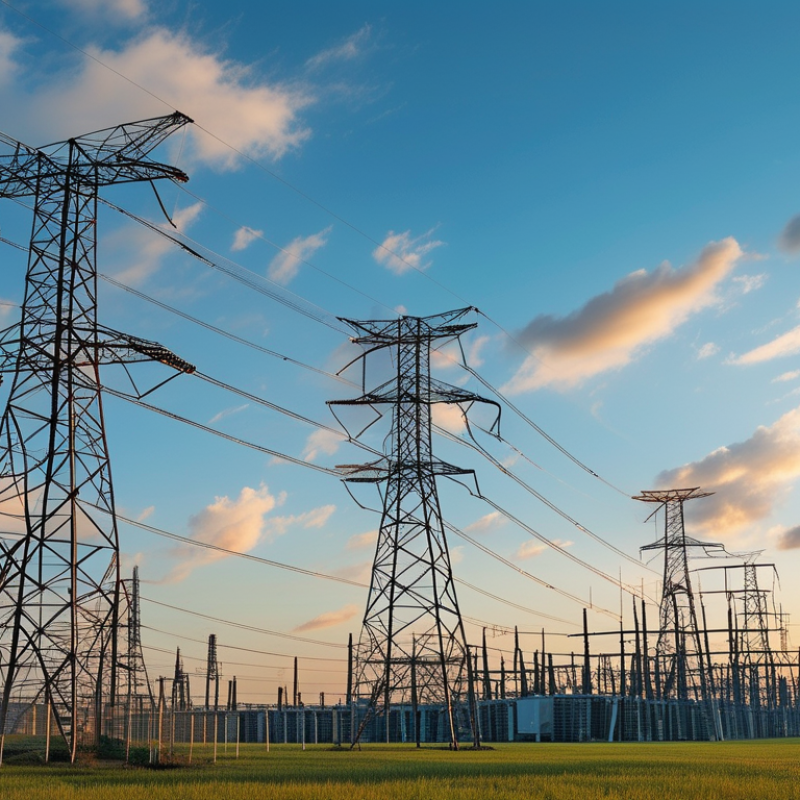
When it comes to power components, identifying their types and understanding their maintenance requirements is crucial. Key power components include transformers, circuit breakers, and capacitors. Each type has unique maintenance needs. For instance, transformers require regular oil testing and thermal imaging to detect hotspots. Neglecting these can lead to costly breakdowns.
Circuit breakers face mechanical wear. Routine inspections are essential to ensure they function properly. Often, connections can corrode, leading to inefficient operation. Capacitors, on the other hand, may need periodic capacitance testing. This simple test can prevent sudden failures that disrupt power supply.
The challenge lies in balancing maintenance frequency with operational efficiency. Some operators may overlook minor issues, assuming they are not critical. However, small problems can escalate, leading to significant operational downtime. It’s important to develop a systematic approach to maintenance that prioritizes critical components while allowing for adjustments based on performance data. Regular reviews of the maintenance protocol can enhance overall reliability.
Predictive maintenance techniques play a crucial role in enhancing the reliability of power components. By analyzing data from various sensors, organizations can predict potential failures before they occur. This proactive approach reduces unplanned downtime and extends the lifespan of equipment. Implementing these techniques requires a deep understanding of both the machinery and the data analytics processes involved. It’s not simply about having the right tools; skilled personnel must interpret the data effectively.
Early fault detection involves continuous monitoring and analysis of key indicators. For example, vibrations, temperature fluctuations, and noise levels can signal impending issues. By focusing on these parameters, maintenance teams can take corrective actions early, rather than waiting for a complete failure. However, relying on technology alone may lead to complacency. Regular training and updates for staff are essential to interpreting data accurately and making informed decisions.
While predictive maintenance offers numerous benefits, it also has limitations. Not all failures can be predicted with certainty. Some unexpected malfunctions may still occur, despite robust monitoring systems. Organizations must remain adaptable and ready to respond to these surprises. Balancing technology with human insight can significantly improve maintenance strategies.
Utilizing advanced materials can significantly enhance the durability and reliability of power components. Innovative materials, such as composites and high-performance polymers, offer exceptional resistance to wear and corrosion. These materials can withstand extreme temperatures and harsh environments, which is vital for long-term operation. Improved thermal stability reduces the risk of component failure over time.
Incorporating such materials requires careful selection and testing. Complex applications demand a deep understanding of material properties. Engineers must evaluate how these materials interact with existing components. Even minor discrepancies can lead to reduced performance. Regular assessments and adjustments are crucial during the implementation phase.
Despite advancements, relying solely on new materials carries risks. Understanding the lifecycle of these materials is essential. Manufacturers face challenges in supply chain reliability and consistency. As technology evolves, materials may also need reevaluation. Continuous innovation is necessary to stay ahead, but it requires ongoing learning and adaptation within the industry.
Investing in automation technologies can significantly reduce the maintenance frequency of power components. Automation minimizes manual intervention, which often leads to human error. The International Energy Agency reported that automating routine checks can cut maintenance costs by up to 30%. This shift not only improves efficiency but also extends the life of critical components.
Integrated monitoring systems, such as real-time condition assessments, replace traditional manual inspections. A recent study revealed that predictive maintenance, powered by automation, could reduce unplanned downtime by 45%. These systems analyze data continuously, helping identify potential issues before they escalate. They shift focus from reactive maintenance to proactive strategies, ensuring reliability.
Yet, the implementation of automation is not without challenges. Many facilities struggle with high initial costs and the complexity of new technologies. Training staff to use automated systems requires time and resources. Additionally, the reliance on technology can create vulnerabilities if systems fail. A thoughtful approach is necessary to balance automation benefits with possible drawbacks.
A comprehensive training program for maintenance personnel is essential to reduce the frequency of power component maintenance. According to a report from the International Energy Agency, poorly trained staff can lead to a 30% increase in unscheduled downtime. This statistic highlights the need for effective training. Staff equipped with the right skills can identify issues early. They can implement timely repairs, reducing overall maintenance frequency.
Hands-on training is a crucial element. Workshops and simulations can provide real-world scenarios. A study by the Electric Power Research Institute shows that companies investing in training see a 20% reduction in maintenance costs. However, many organizations struggle to allocate sufficient resources for continuous staff development. The challenge lies in balancing operational demands with training needs.
Regular assessments of training programs are necessary. Feedback from maintenance personnel can guide improvements. A stagnant training program can feel irrelevant, leading to disengagement. Investing in dynamic training ensures that staff stay updated with new technologies and practices in power component maintenance. This ongoing learning process is vital for operational excellence.
| Method | Description | Expected Outcome | Implementation Time |
|---|---|---|---|
| Comprehensive Training | Provide in-depth training for maintenance personnel. | Improved skill level and confidence. | 1-2 months |
| Use Predictive Maintenance | Implement technology to predict failures before they happen. | Reduced actual maintenance frequency. | 3-6 months |
| Regular Inspections | Schedule routine inspections of power components. | Identify problems before they escalate. | Ongoing |
| Standardized Procedures | Develop and implement standard operating procedures. | Consistency in maintenance tasks. | 2-3 months |
| Invest in Condition Monitoring Tools | Equip personnel with advanced monitoring devices. | Early detection of wear and tear. | 1-3 months |
| Enhance Documentation Practices | Improve record-keeping of maintenance activities. | Better tracking of component performance. | 1 month |
| Integrate Reliability-Centered Maintenance | Focus on critical components and their reliability. | Optimized maintenance tasks. | 3-6 months |
| Use Quality Spare Parts | Source high-quality replacement components. | Longer service life of components. | Ongoing |
| Implement an Asset Management System | Centralized system for asset tracking and maintenance. | Improved efficiency and reduced downtime. | 4-6 months |
| Regular Feedback Loop | Encourage feedback from maintenance personnel on procedures. | Continuous improvement of maintenance processes. | Ongoing |
: Advanced materials like composites and high-performance polymers enhance durability and reliability. They resist wear and corrosion effectively.
Careful selection is crucial because materials must interact well with existing components. Minor discrepancies can impair performance.
Automation reduces manual intervention, lowering human error and maintenance frequency. It can cut costs by up to 30%.
These systems perform real-time assessments, decreasing unplanned downtime by 45%. They enable proactive maintenance strategies.
High initial costs and technological complexity can hinder adoption. Training staff is essential but also resource-intensive.
Effective training reduces unscheduled downtime by 30%. Skilled staff detect issues earlier, allowing timely repairs and lower maintenance needs.
Workshops and simulations provide real-world experience. They enhance skills that are critical for effective power component maintenance.
Regular assessments and feedback can improve training relevance. This helps maintain engagement and align with new technologies.
Relying too much on technology can create vulnerabilities. System failures may disrupt operations and require careful management.
Investing in dynamic training programs is vital. This keeps staff updated with emerging trends and technologies in power maintenance.
To effectively reduce maintenance frequency of power-related components, it is essential to first identify the key types of power components and understand their specific maintenance requirements. Implementing predictive maintenance techniques can facilitate early fault detection, allowing for timely interventions and minimizing unexpected failures.
Moreover, utilizing advanced materials can significantly enhance the durability and reliability of these components, further extending their operational lifespan. Investing in automation technologies can also play a crucial role by minimizing manual intervention, which often leads to human error and variability in maintenance practices. Finally, establishing a comprehensive training program for maintenance personnel ensures that the team is well-equipped with the necessary skills to manage these technologies and maintain the power components effectively. By integrating these strategies, organizations can successfully reduce maintenance frequency and improve the overall efficiency of power-related operations.

Vdi Medical