In today’s tech-driven world, the demand for compact and efficient designs is ever-increasing. Innovators are now focusing on how to "optimize miniaturization design of internal electrical systems." This approach holds significant potential for enhancing device performance while reducing space constraints.
Miniaturization allows manufacturers to create smaller, lighter products without sacrificing functionality. However, it presents unique challenges. Components must be carefully selected and arranged to avoid overheating and interference. An optimized internal design can lead to remarkable efficiency gains, but it requires a deep understanding of electrical principles and material properties.
Moreover, the path to achieving miniaturization is rarely straightforward. Designers often face trade-offs between size and accessibility. Balancing performance and aesthetics is vital. Continuous reflection on these challenges encourages innovation. As the industry evolves, refining the miniaturization design process will be crucial for future advancements in technology.
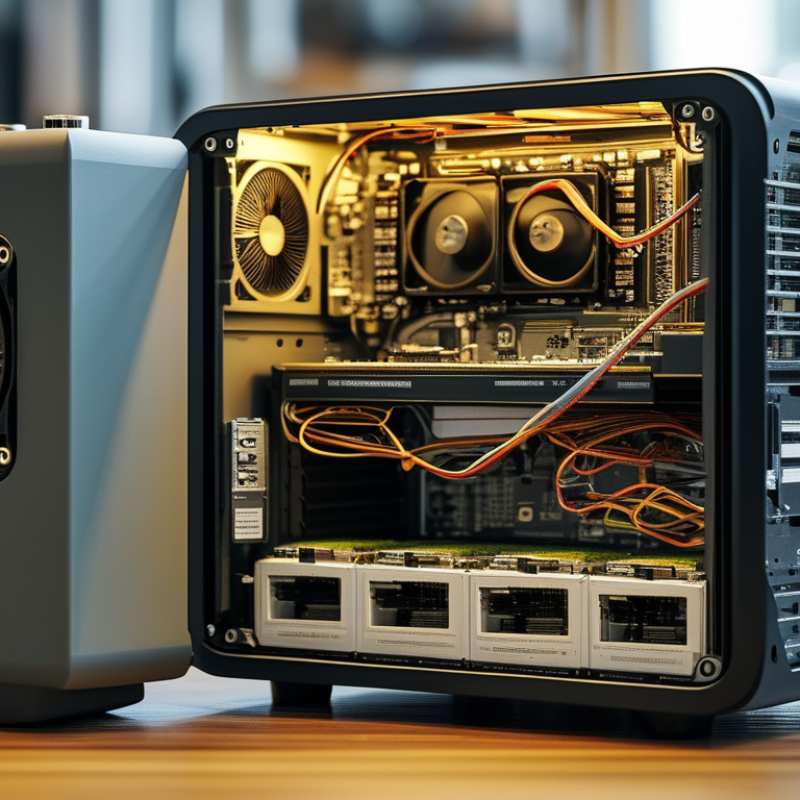
The Importance of Miniaturization in Internal Electrical Systems Design
Miniaturization is essential in internal electrical systems design. It leads to compact solutions that enhance efficiency. Smaller components reduce weight and space requirements, making products more portable. This can significantly impact industries like consumer electronics and medical devices. In these fields, compact designs improve user experience. They allow for seamless integration into various applications.
However, the path to miniaturization is not always straightforward. There are challenges related to heat dissipation and signal integrity. Designing smaller components can lead to increased thermal problems. Overheating can damage delicate circuits. It necessitates careful planning and testing. Engineers must balance size reduction with functionality. Understanding these trade-offs is crucial for success in miniaturization.
Moreover, miniaturization requires innovative materials and manufacturing techniques. As components shrink, performance expectations grow. This demand for smaller parts may lead to reliability issues. Choices made during design must prioritize long-term durability. An iterative approach that incorporates feedback ensures better outcomes. This includes acknowledging limitations and refining designs based on real-world testing. Ultimately, the importance of miniaturization lies in its potential to transform technology while posing critical design challenges.
Why Optimize Miniaturization Design in Internal Electrical Systems?
The following bar chart demonstrates the importance of miniaturization in internal electrical systems design across various applications. The data showcases the potential size reduction and efficiency improvement in devices that utilize optimized miniaturization techniques.
Key Benefits of Optimized Miniaturization for Device Performance
Miniaturization design in internal electrical systems brings significant advantages to device performance. Smaller systems reduce weight and save space, making devices more portable. This is crucial as users increasingly demand convenience. With optimized layouts, heat dissipation improves, enhancing reliability. This leads to longer lifespans and fewer interruptions during use.
Another critical benefit is energy efficiency. Miniature designs often need less power, which aligns with today’s eco-friendly drive. Users appreciate devices that maximize performance while minimizing energy consumption. However, achieving this balance is challenging. Designers must carefully consider trade-offs between size, power, and functionality. It requires skilled professionals with deep knowledge in electrical engineering.
Tips: Always prototype designs to see potential flaws early. Testing under different conditions helps identify weaknesses in miniaturized systems. It’s essential to gather user feedback continuously to refine the design. Keep an eye out for emerging materials that can enhance performance without compromising size. The journey of optimization can lead to unexpected discoveries. Embrace the learning process.
Impact of Miniaturization on Energy Efficiency in Electronic Circuits
Miniaturization in internal electrical systems greatly enhances energy efficiency. Smaller electronic components can reduce energy consumption, leading to longer battery life in devices. As circuits shrink, the distance between elements decreases. This shorter pathway can reduce energy loss during transmission. Improved heat dissipation also occurs in compact designs, minimizing energy waste.
Tips: Focus on reducing component size without disrupting performance. Select materials with better conductivity. Reassess the layout of circuits for optimal paths.
Despite the benefits, miniaturization presents challenges. Smaller components can be more sensitive to heat and interference. It requires precise engineering to maintain reliability. Designers must ensure each part functions well at reduced sizes. Testing is crucial, but it can be overlooked due to time constraints.
Tips: Always test new designs under real-world conditions. Regularly evaluate heat management solutions and design layouts. Seek feedback from peers for a different perspective.
Industry Statistics on Size Reduction and Market Competitiveness
In recent years, miniaturization in internal electrical systems has become a priority. According to a 2023 market research report, the global miniaturization market is projected to grow by 25% over the next five years. This trend emphasizes the importance of size reduction to enhance performance and efficiency. Smaller systems often consume less power, leading to energy savings.
Furthermore, an analysis by industry experts highlights that companies incorporating miniaturized designs can achieve a competitive edge. Businesses that adapted their products have reported an increase in market share by up to 30%. However, the challenges of miniaturization are significant. Design complexity increases, and engineers must ensure reliability while reducing size. A delicate balance must be struck to avoid compromising performance.
The drive for smaller designs also faces limitations. Not every component can be effectively miniaturized. This has led to debates about the viability of certain technologies. Some argue that focusing exclusively on size may overlook functionality and sustainability. There's no one-size-fits-all solution, and industry leaders must continuously assess their approaches. As miniaturization becomes more critical, the need for innovative, adaptable strategies is paramount.
Future Trends: Miniaturization and Its Role in Advancing Technology
Miniaturization is transforming the landscape of technology. As devices become smaller, they offer greater portability and efficiency. This trend is especially evident in internal electrical systems, where compact designs can drastically improve functionality. Power management, cooling solutions, and layout efficiency must all be reevaluated. The challenge lies in ensuring that performance does not diminish with size.
Innovative approaches in materials and design are crucial. New materials allow for thinner components while enhancing performance. For instance, advanced circuit board technologies enable more compact configurations. Yet, this pushes the boundaries of design. Engineers must balance space constraints with reliability. What happens when systems become too small? Important features might be sacrificed. Ensuring heat dissipation can become more difficult, leading to potential failures.
As we look to the future, miniaturization will continue to play a pivotal role. It drives advancements in health technology, communication devices, and wearable tech. The emphasis on smaller, smarter solutions is clear. However, we must pause to ask—are we overlooking essential aspects of design in our quest for miniaturization? Pursuing size could mean ignoring other vital elements. Balancing the need for compactness with functionality is the key to future innovation.
Why Optimize Miniaturization Design in Internal Electrical Systems? - Future Trends: Miniaturization and Its Role in Advancing Technology
| Dimension |
Value |
Description |
| Component Size (mm) |
5.0 - 10.0 |
Typical dimensions of miniature electrical components |
| Weight (g) |
0.5 - 2.0 |
Weight range for miniaturized electrical systems |
| Energy Consumption (W) |
0.1 - 2.0 |
Energy consumption of compact devices |
| Operational Temperature Range (°C) |
-20 to 85 |
Typical operational temperature range for internal systems |
| Market Growth Rate (%) |
8.5 |
Projected growth rate for miniaturized technology market |
FAQS
: Miniaturization reduces weight and saves space, enhancing portability. Users enjoy convenient, lighter devices.
Smaller components decrease energy consumption, extending battery life. Shorter pathways reduce energy loss during transmission.
Smaller components can be sensitive to heat and interference. Precise engineering is needed to maintain reliability.
Prototyping helps identify potential flaws early. Testing designs under various conditions reveals weaknesses.
Designers should reduce component size while ensuring performance. Choosing better materials improves conductivity and efficiency.
Companies adopting miniaturized designs can gain a competitive edge and increase market share significantly.
Designers may overlook testing due to time constraints. Ignoring user feedback can hinder the refinement process.
Improved heat dissipation minimizes energy waste in compact designs. Continuous evaluation of heat solutions is essential.
Not every component is suitable for miniaturization. Focusing solely on size can compromise functionality and sustainability.
Striking a balance between size, power, and functionality is challenging. Missteps may lead to performance issues.
Conclusion
The article "Why Optimize Miniaturization Design in Internal Electrical Systems?" highlights the critical role of miniaturization in enhancing the performance and efficiency of electronic devices. It discusses how optimizing miniaturization design of internal electrical systems not only improves device functionality but also leads to greater energy efficiency in electronic circuits. The piece presents compelling industry statistics that reveal the competitive advantages gained through size reduction, underscoring the importance of miniaturization in today’s market.
Looking ahead, the article emphasizes future trends where continued miniaturization will drive technological advancements, suggesting that as devices become smaller, their capabilities will expand significantly. By adopting optimized miniaturization strategies, manufacturers can meet the growing demand for compact, high-performance products while staying competitive in a rapidly evolving industry landscape.

 Vdi Medical