In today's world, ensuring the safety and reliability of electrical systems is paramount. A key part of this process involves finding ways to enhance surge protection and overload resistance. This not only safeguards equipment but also prolongs its lifespan. Effective strategies in this area can make a significant difference in both residential and commercial settings.
Maximizing safety features requires a blend of knowledge and practical experience. Implementing surge protectors, for instance, can guard against voltage spikes. Overload devices play a crucial role too, preventing excessive current flow. These tools protect against potential fire hazards and equipment damage. However, not all systems are foolproof, and some may still face challenges. Regular maintenance and assessment are crucial to identify potential weaknesses in these systems.
The balance of cost and effectiveness also invites reflection. Investing in high-quality solutions may seem burdensome initially, yet it proves valuable over time. Specific details matter, like ratings and compatibility with existing systems. Enhancing surge protection and overload resistance is not merely about installation; it’s about ongoing vigilance and adaptation in an ever-evolving landscape.
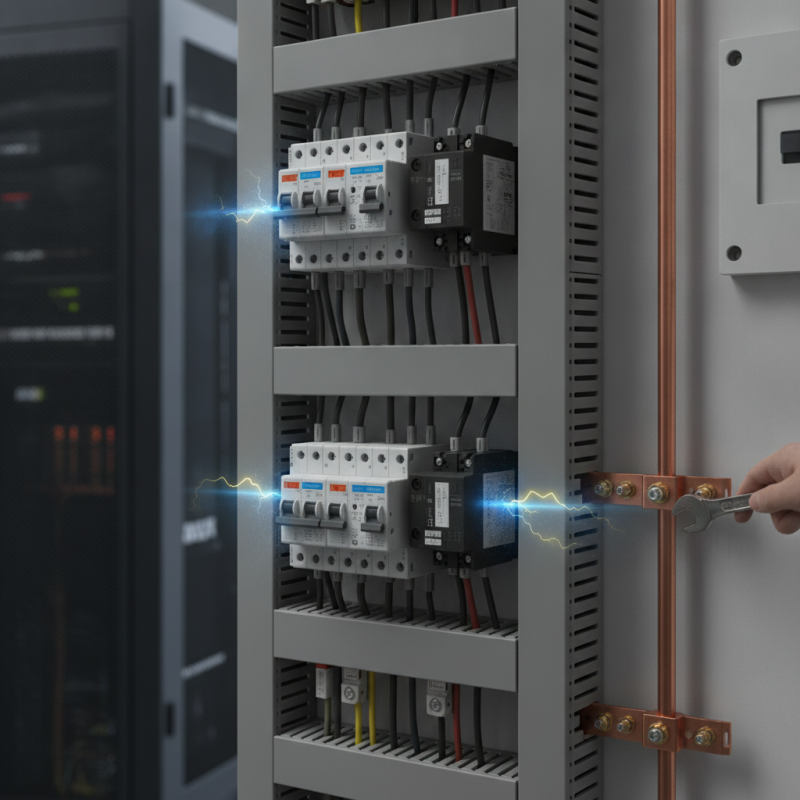
Understanding surge protection and overload resistance is critical for electrical safety. According to a report by the National Fire Protection Association (NFPA), electrical malfunctions cause over 25,000 home structure fires annually. These fires often result from surges or overloads. Ensuring proper surge protection can significantly reduce this risk.
Surge protectors work by diverting excess voltage away from sensitive devices. The average lifespan of a surge protector is around three to five years, depending on usage. Regular checks and replacements are essential for optimal performance. Similarly, overload resistance helps in preventing equipment damage by ensuring that devices operate within their specified limits. Data from the International Electrotechnical Commission suggests that most equipment operates best at 70-80% of its capacity. This precaution helps avoid overheating and failure.
However, not all surge protection solutions are equal. Many homeowners overlook the need for comprehensive solutions, relying solely on basic power strips. This can create vulnerabilities. The IEEE emphasizes the importance of considering the entire electrical system when planning surge protections. An outdated or insufficiently rated system may still be prone to surges, leading to potential equipment damage. Continuous evaluation and upgrades to electrical infrastructure are essential for lasting protection.
Electrical surges and overloads can cause significant damage to systems. Surge events often arise from lightning strikes, utility switching, or equipment malfunctions. According to the Electric Power Research Institute (EPRI), equipment damage from surges can cost businesses millions annually. It is vital to recognize the sources of these surges.
Overloads frequently occur due to the excessive demand placed on electrical circuits. Appliances and devices combined can draw more current than a circuit can handle. The National Fire Protection Association (NFPA) reports that overloaded circuits are a leading cause of residential fires. Monitoring power consumption is crucial to prevent overload situations.
Implementing surge protection devices (SPDs) can mitigate risks. Regular inspections and audits of electrical systems help identify issues early. Inadequate wiring and poor installation contribute to electrical problems. Routine maintenance is essential for consistent performance. Addressing these concerns can enhance system reliability and safety.
| Tip | Description | Common Causes | Preventive Measures |
|---|---|---|---|
| Use Surge Protectors | Install surge protectors to safeguard electronic devices. | Lightning strikes, power outages | Choose reputable surge protectors suitable for your devices. |
| Regular Maintenance | Inspect and maintain electrical systems regularly. | Wear and tear, outdated wiring | Schedule professional inspections annually. |
| Avoid Overloading Circuits | Distribute electrical load evenly to prevent circuit overload. | Excess devices connected to one outlet | Use multiple outlets and avoid daisy chains. |
| Upgrade Electrical Systems | Modernize old electrical systems to enhance safety. | Aging infrastructure, insufficient capacity | Consult a professional for upgrades tailored to needs. |
When selecting surge protectors, consider both your devices and environment. Each device has unique power demands. For example, a high-powered gaming computer requires robust protection. In contrast, a simpler appliance like a lamp has different needs. Understanding these requirements can lead to better choices.
Environmental factors also influence this selection. For instance, areas prone to thunderstorms often face higher risks. According to the National Electrical Manufacturers Association (NEMA), more than 75% of electrical surges occur due to lightning strikes. Therefore, robust surge protectors are vital in these regions.
Choosing the appropriate surge protector is not just about functionality. Look for products with at least 1000 joules of energy absorption for basic electronics. For sensitive devices, invest in units offering 3000 joules or more. Regular checks and replacements should be part of your routine. Finish by evaluating your setup, adjusting it when needed, and reflecting on areas for improvement in surge protection.
Implementing effective safety measures in electrical systems is crucial for maintaining their longevity and reliability. Surge protection devices are essential for safeguarding against voltage spikes. These devices can help prevent equipment damage and ensure continuity of service. Regularly inspecting and testing these devices is vital to verify their functionality. Neglect can result in unanticipated failures.
Overload resistance is another critical aspect to consider. Proper circuit design can aid in distributing electrical load efficiently. Utilizing fuses and circuit breakers will provide additional layers of protection. However, users often overlook the importance of regular maintenance. Wear and tear can degrade these protective elements, making them less effective over time.
Training personnel on safety protocols improves awareness and fosters a culture of safety. Continuous education ensures that staff are informed about potential risks, helping them react promptly to emerging issues. Keeping communication lines open is vital as well; feedback from frontline workers can lead to necessary adjustments. Engaging in reflective practices can identify gaps in safety protocols, ensuring systems remain robust against surges and overloads.
Regular maintenance is crucial for surge protection systems. Over time, components may degrade or malfunction. Visual inspections can often reveal signs of wear, such as corrosion or damage. Scheduling routine checks can help catch these issues early. Ensuring surge protectors are working optimally is vital to prevent costly damages.
Testing the equipment periodically enhances overload resistance. It’s not enough to install devices and forget about them. Use diagnostic tools to assess their effectiveness. This proactive approach helps identify weaknesses in the system. Keeping a maintenance log can provide insights into trends and issues.
Surge protection also demands attention to environmental factors. Dust and moisture can significantly impact performance. Cleaning and keeping systems dry is another aspect not to overlook. It's easy to assume everything is functioning well, but assumptions may lead to failures. Prioritizing these practices can bolster protection against surges and overloads.
: Surge protection diverts excess voltage away from sensitive devices. It's essential for electrical safety.
Surge protectors typically last three to five years. Regular checks are crucial for their effectiveness.
Common causes include lightning strikes, utility switching, and equipment malfunctions. Awareness helps mitigate damage.
Overloads happen when devices draw more current than a circuit can handle. Monitoring power consumption is key.
Routine visual inspections for wear and damage are vital. Schedule regular checks to catch issues early.
Periodic testing identifies weaknesses. Using diagnostic tools ensures devices operate effectively and efficiently.
Yes, dust and moisture can impact performance. Keeping systems clean and dry is essential.
Devices typically perform best at 70-80% capacity. This helps prevent overheating and potential failures.
No, many rely on basic solutions. A comprehensive approach is crucial to avoid vulnerabilities.
Poor installation can lead to significant electrical problems. Regular audits help identify and address these issues.
To enhance surge protection and overload resistance, it's essential to first understand the basic principles behind these electrical safety measures. Common causes of electrical surges and overloads can stem from factors such as lightning strikes, faulty wiring, and the use of high-demand appliances. By identifying these causes, one can effectively choose appropriate surge protectors tailored to specific devices and environments.
Implementing robust safety measures for electrical systems, coupled with regular maintenance and testing, is crucial to ensure optimal performance. Regular checks can help in detecting vulnerabilities and ensuring that surge protection systems are functioning correctly. Through these proactive steps, individuals and businesses can significantly enhance surge protection and overload resistance, safeguarding their electrical systems and equipment from potential damage.

Vdi Medical