The growing reliance on medical defibrillators in emergency settings highlights the need to enhance charging safety and efficiency for medical defibrillation devices. As these devices are critical for life-saving interventions, ensuring their reliability during high-pressure situations is paramount. Recent advancements aim to address challenges related to charging time and safety features, fostering greater confidence among healthcare professionals.
Despite these advancements, concerns remain. Many defibrillators face limitations in battery performance and charging methods. Inefficiencies can result in extended wait times during emergencies. Moreover, the risk of overheating during the charging process poses potential hazards. Professionals must critically evaluate the existing technology and its applications in real-world scenarios.
Adopting a proactive approach to enhance charging safety and efficiency will ultimately benefit patient outcomes. Collaboration between engineers, healthcare providers, and researchers is crucial. Together, they can identify and implement innovative solutions that prioritize safety and efficacy. This collective effort will ensure that defibrillators remain reliable tools in life-threatening situations, ultimately saving lives when every second counts.
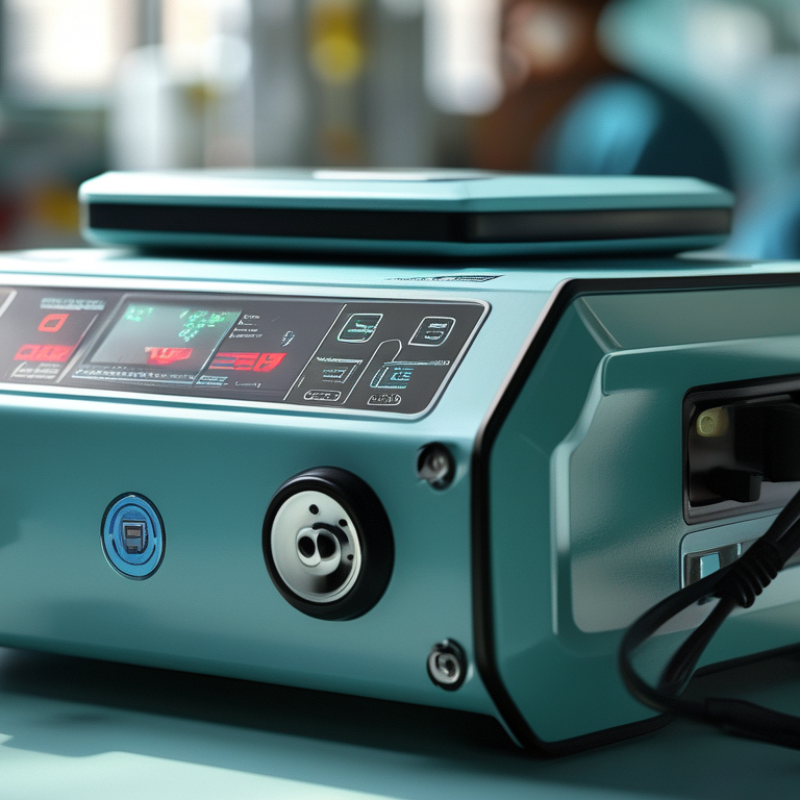
Medical defibrillators play a crucial role in saving lives during cardiac emergencies. Sudden cardiac arrest (SCA) affects about 350,000 people annually in the United States alone, making timely intervention vital. Defibrillators deliver electric shocks to restore a normal heart rhythm. Their effectiveness can increase survival rates by up to 75% when used within minutes of an emergency.
The importance of accessibility cannot be overstated. Public spaces are increasingly installing automated external defibrillators (AEDs). This ensures that help is available when it is most needed. A report revealed that immediate defibrillation increases survival rates by 90%. However, many bystanders are hesitant to act, often due to a lack of confidence or knowledge.
To enhance safety, regular training is essential. Knowing how to use a defibrillator can empower individuals to take action quickly. Consider participating in CPR and AED training sessions. Ensure workplace and community members are familiar with emergency procedures. Remember, staying calm is vital during emergencies.
Regular maintenance of defibrillators is also crucial. They must be checked routinely to ensure functionality. Many units come with built-in self-checks. However, these checks should never replace human oversight. It's a shared responsibility to keep these devices in optimal condition. Empowering individuals with knowledge can make a life-saving difference in emergencies.
Advancements in medical defibrillator design are crucial for patient safety and operational efficiency. Modern technology plays a vital role in enhancing these devices. Many newer models feature improved monitoring systems. These systems provide real-time feedback, ensuring effective defibrillation. User-friendly interfaces also ease the process for emergency responders.
Another significant innovation is the integration of artificial intelligence. AI algorithms can analyze patient data swiftly. They can suggest the best course of action based on specific conditions. This capability allows for quicker responses during critical moments. However, reliance on AI raises questions about decision-making in emergencies. Moreover, continuous training for users remains essential to maximize these benefits.
Despite these enhancements, challenges persist. Some users may still struggle with device operation under stress. Regular drills can help improve familiarity with equipment. Further, not all locations have access to the latest technology. This gap can hinder emergency response times in lower-resource areas. The ongoing development of safe and efficient defibrillators must balance innovation with practical usability.
Medical defibrillators play a crucial role in emergency situations. Innovations aim to enhance their operation and usability. Streamlined interfaces are essential. Clear visual instructions can help even untrained individuals. This shift is vital, especially in high-stress scenarios.
Improved portability is another focus. Newer designs are lighter and more compact. This allows for quicker access in critical situations. Advanced battery life is also essential. A reliable power source is crucial during emergencies. Features like one-button operation can save valuable seconds.
However, challenges remain. Training users is still necessary. Many people feel unsure about using devices during emergencies. Regular drills can boost confidence. Feedback from users is also vital. This ensures that future designs meet real-world needs. Continuous improvement is essential for optimal safety and efficiency in defibrillator use.
Effective training and education are critical for the proper use of medical defibrillators. Data from the American Heart Association shows that over 350,000 cardiac arrests occur outside hospitals annually in the U.S. Many individuals are untrained in using defibrillators, which can hinder patient survival. Training programs focused on CPR and defibrillation increase the likelihood of timely intervention.
Hands-on training and simulation improve user confidence. Studies indicate that trained individuals are 1.5 times more likely to use a defibrillator in an emergency. However, despite this, many responders hesitate. This hesitation may stem from inadequate training or fear of making mistakes. Repeated practice can alleviate anxiety and build muscle memory.
Regular refresher courses can address these challenges. They ensure skills remain sharp and reinforce the importance of quick response. An ongoing commitment to education reduces knowledge decay, which affects effective defibrillator use during emergencies. Continuous evaluation of training methods will lead to better outcomes and higher confidence levels among users.
The future of defibrillator development focuses heavily on safety protocols. Advancements in technology facilitate quicker and more accurate detection of cardiac issues. Modern defibrillators now include features that guide users step by step. This increases the chances of survival during critical moments.
Training for users is equally essential. Many individuals feel anxious in emergency situations. They may hesitate or make mistakes. Improved education programs are vital for boosting confidence. Interactive simulations can help users retain information better. Often, users overlook basic steps due to stress. Regular refresher courses could ensure preparedness when every second counts.
Regulatory bodies are also emphasizing stringent safety standards. Regular audits of equipment and procedures can help identify potential risks. However, maintaining compliance often presents challenges. Some facilities struggle with outdated technologies and inadequate training. Developing a culture of accountability and continuous improvement is necessary. Each hurdle presents an opportunity for learning and advancement. Future innovations in defibrillator design will likely prioritize these aspects, making life-saving devices even more effective.
This chart illustrates the improvements in defibrillator efficiency and safety over recent years, focusing on key metrics such as responsiveness time, patient survival rate, and technology adoption.
: They deliver electric shocks to restore normal heart rhythms, significantly increasing survival rates.
About 350,000 people are affected annually, making timely intervention crucial.
To ensure immediate help is available during emergencies, enhancing survival chances.
Participating in CPR and AED training can empower people to act quickly when needed.
They need routine checks to ensure functionality, not just relying on built-in self-checks.
Improved monitoring systems and user-friendly interfaces enhance operational efficiency and safety.
AI analyzes patient data quickly and suggests actions, aiding faster responses.
Stress can hinder operation; regular drills can improve familiarity and confidence.
Streamlined interfaces and improved portability are key for quick access in emergencies.
It ensures future designs meet user needs and improve real-world usability.
Medical defibrillators play a crucial role in emergency situations, providing life-saving interventions for cardiac arrest. Recent advancements focus on enhancing charging safety and efficiency for medical defibrillation devices, which is vital for their effective operation in high-stress environments. Innovations in design and technology are improving the safety features of defibrillators, ensuring they function reliably when needed the most.
Moreover, enhancing efficiency through user-friendly interfaces and automated processes streamlines their operation, allowing healthcare providers to deliver care quickly and effectively. Comprehensive training and education are essential to equip users with the necessary skills to utilize these devices optimally. Looking ahead, future trends in defibrillator development emphasize evolving safety protocols and further innovations, ensuring these vital devices remain reliable and effective in emergencies.
Vdi Medical