In the critical moments of cardiac emergencies, every second counts. Decisive action, supported by reliable technology, saves lives. To achieve this, defibrillators must operate effectively. A key aspect of successful defibrillator performance is the need to enhance power stability for life-saving external defibrillation equipment. This stability is crucial in ensuring that these devices deliver immediate and effective shock therapy when needed.
The technology behind defibrillators continues to evolve. However, challenges remain in maintaining a consistent power source. Many devices face power fluctuations that could jeopardize patient outcomes during emergencies. Addressing these concerns not only requires innovation but also a thorough understanding of how various power supplies function under stress.
To enhance power stability for life-saving external defibrillation equipment, a multidisciplinary approach is essential. Engineers, healthcare professionals, and manufacturers must collaborate. By identifying weaknesses in current systems, we can develop solutions that ensure reliability in the field. This ongoing effort reflects our commitment to improving emergency care and, ultimately, preserving lives.
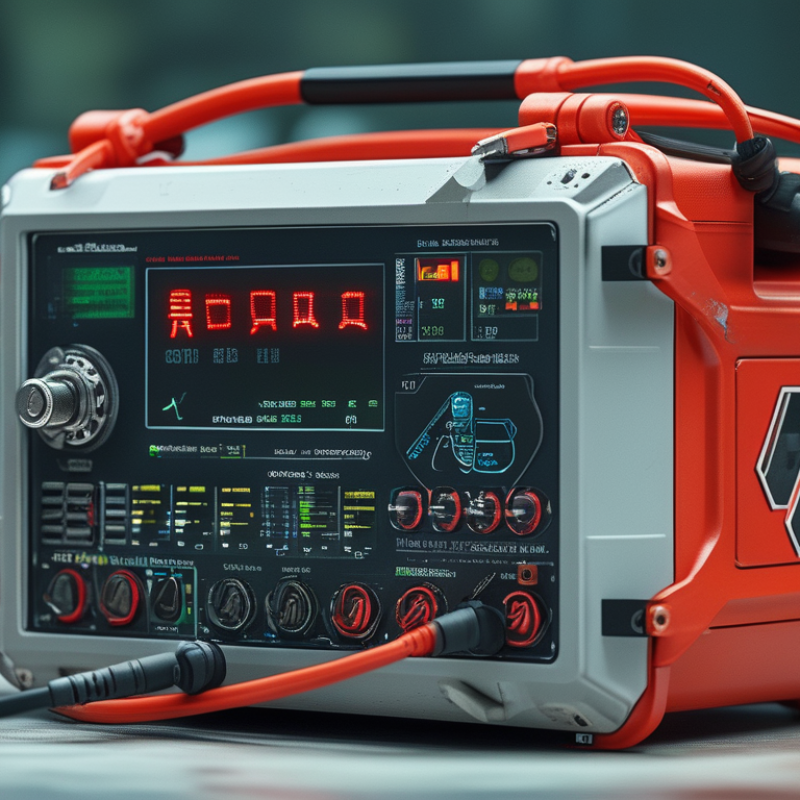
Power stability is crucial for defibrillators, devices that are often the last line of defense in cardiac emergencies. A defibrillator must function reliably to restore heart rhythm during a crisis. If power supply is inconsistent, it can lead to device failure. In critical moments, any delay may lead to loss of life. Therefore, ensuring robust power systems is essential for these life-saving devices.
One key aspect of power stability is the quality of the battery used. High-capacity batteries with a predictable discharge rate provide extended operational reliability. Regular maintenance checks can also prevent unforeseen failures. It's worth noting that defibrillators are often placed in public locations where environmental factors can affect their performance. Temperature changes or humidity can impact battery efficiency and device functionality. Awareness and preparation for such factors are necessary to enhance the effectiveness of these devices.
Moreover, training staff on the importance of power stability is vital. Users should understand how to check battery levels and perform routine maintenance. This reduces reliance on luck during emergencies. It’s essential that we advocate for better practices and tools in public health. Investing in education and awareness can bridge gaps in knowledge, ultimately bolstering the reliability of these critical devices.
Power instability in life-saving devices like defibrillators can be a serious issue. Various factors contribute to this challenge. Battery issues are common culprits. An old or poorly maintained battery may fail. This can lead to unexpected shutdowns when the device is needed most. Regular inspection of battery health is essential.
Overheating can also cause power malfunctions. Defibrillators can overheat if used continuously for long periods. Proper cooling measures must be in place. Professionals should monitor these devices in high-demand situations. Additionally, software glitches can impact functionality. Outdated firmware may lead to erratic performance or errors. Regular updates and checks are crucial.
Environmental conditions play a role too. Excess humidity or extreme temperatures can affect electronics. Storing defibrillators in proper conditions helps avoid damage. User training is also important to ensure effective usage during emergencies. Addressing these factors can enhance power stability. However, perfect solutions may not exist. Continuous evaluation and improvement are vital.
| Cause of Power Instability | Description | Impact on Device Functionality | Recommended Solutions |
|---|---|---|---|
| Battery Depletion | Low battery power affecting device operation. | Increased risk of device failure during critical moments. | Regular battery checks and timely replacements. |
| Poor Connection | Loose or corroded connections within the device. | Interruption of power flow impacting performance. | Regular maintenance and cleaning of connections. |
| Power Surge | Sudden increase in voltage affecting electronic components. | Potential damage to internal circuitry, leading to failure. | Use of surge protectors and voltage regulators. |
| Environmental Factors | Extreme temperatures or humidity affecting device operation. | Reduced efficiency or malfunction of device components. | Store devices in recommended conditions and regularly check functionality. |
| Software Glitches | Software errors affecting power management features. | Possible unexpected shutdowns or performance issues. | Regular updates and software diagnostics. |
Life-saving defibrillators play a critical role in emergency medical situations. Their effectiveness largely depends on reliable and durable battery performance. According to a report from the Journal of Emergency Medicine, approximately 30% of defibrillator failures are attributed to battery issues. This stark statistic highlights the need for improved battery life and reliability.
One effective strategy is the implementation of advanced battery technologies. Lithium-ion batteries have emerged as a significant upgrade over traditional options. They offer longer life spans and reduce self-discharge rates. Studies indicate that lithium-ion batteries can extend operational periods by up to 50%. This not only ensures the device is ready when needed but also lessens the frequency of replacements, saving costs over time.
Regular maintenance and software updates are essential as well. They help monitor battery health and ensure that the defibrillator operates at peak efficacy. A report by the American Heart Association suggests that up to 20% of devices may have outdated software. Such negligence could lead to critical failures during emergencies. Focusing on these aspects can greatly enhance the reliability of these vital machines.
Power stability is crucial for life-saving defibrillators. Reliable power sources ensure that these devices function properly during emergencies. Recent studies show that over 30% of defibrillator failures are due to power issues. This highlights the need for technological innovations to enhance power stability.
One promising advancement is the introduction of lithium-sulfur batteries. These batteries offer higher energy density compared to traditional options. They can last longer, providing consistent power even in critical moments. Another innovation is the development of smart power management systems. These systems monitor battery health and optimize energy use. Reports indicate that such systems can improve battery lifespan by 20%.
Improving power stability does come with challenges. The integration of new technologies requires extensive testing and validation. There is also the risk of increased costs, which could hinder widespread adoption. Maintaining reliability in the face of evolving technology is a continuous journey. Stakeholders must collaborate to overcome these hurdles and ultimately enhance patient outcomes.
This chart illustrates the relationship between battery life (in days) and the frequency of power disruptions for defibrillators. As the battery life increases, it is important to note the corresponding decrease in power disruptions, highlighting the need for advancements in technology to enhance power stability.
Regular maintenance and testing protocols are vital for the operational stability of defibrillators. These devices often sit idle until an emergency strikes.
According to the American Heart Association, nearly 356,000 cardiac arrests occur outside of hospitals each year in the U.S.
Defibrillators need to be ready to save lives. A well-maintained device can significantly increase survival rates, which rise by 10% with each minute defibrillation is delayed.
Routine inspection helps ensure that the equipment functions correctly. Battery life must be checked regularly, as a weak battery can render the defibrillator useless. Additionally, pads require replacement before their expiration date.
A report from the National Safety Council emphasizes that over 30% of defibrillators fail due to improper maintenance. Each facility must create a schedule for testing, adhering to guidelines from reliable sources to avoid these failures.
Effective training for staff is another key aspect. They should be familiar with the defibrillator's location and operation. Frequent drills can reinforce this knowledge. However, reliance solely on training without regular equipment checks can lead to overconfidence.
Continuous monitoring of both human and machine readiness is essential.
: Battery performance affects device reliability. About 30% of defibrillator failures arise from battery issues.
Lithium-ion batteries are superior. They extend lifespan and reduce self-discharge rates by up to 50%.
Regular maintenance ensures battery health. Around 20% of devices may run outdated software, risking failures.
Lithium-sulfur batteries offer higher energy density. They provide longer-lasting, consistent power during emergencies.
They optimize energy use and monitor battery health. These systems can enhance battery lifespan by 20%.
New technologies require rigorous testing. Increased costs could hinder their adoption, affecting reliability.
Frequent updates are vital. Outdated software can lead to critical failures in emergencies.
Advanced battery technologies can extend operational periods significantly. This ensures devices are ready when needed.
Yes, ensuring battery reliability is a constant challenge. Technological advancements must be balanced with safety.
A battery failure can lead to life-threatening situations. This emphasizes the need for improved battery strategies.
Enhancing power stability for life-saving external defibrillation equipment is crucial for ensuring effective patient care during critical emergency situations. The importance of power stability in defibrillators cannot be overstated, as fluctuations can jeopardize their functionality when every second counts. Common causes of power instability include battery depletion, environmental factors, and hardware malfunctions.
To mitigate these issues, strategies such as improving battery life, employing advanced monitoring systems, and integrating technological innovations can be utilized. Additionally, regular maintenance and testing protocols are essential to uphold the reliability of defibrillators. By implementing these measures, healthcare providers can significantly enhance power stability, ultimately saving lives in emergencies.

Vdi Medical