Medical rescue equipment works under pressure, often beside wet floors, crowded stretchers, and anxious teams. A loose plug or damaged cable can turn urgent care into a serious electrical hazard. This guide, “Top 10 Electrical Safety and Isolation Tips for Medical Equipment,” presents practical controls for ambulances, emergency rooms, and field clinics. It explains how to inspect power cords, verify grounding, manage batteries, and isolate faulty devices before maintenance.
The central goal is simple: Ensure electrical safety and isolation in medical rescue equipment. Trained personnel should check the device, power source, and surrounding environment before use. Look for cracked insulation, exposed wires, unusual heat, or a burning smell. Disconnect equipment using approved procedures, not by pulling the cable. Confirm that stored energy has been released. A defibrillator may remain dangerous after shutdown.
Small details matter.
Experience shows that rushed checks are easily skipped during emergencies. That weakness deserves honest attention. A checklist can help, but it cannot replace competent judgment or manufacturer instructions. Staff should use suitable test equipment, clear warning labels, and documented maintenance records. They should also understand when a device must be removed from service and reported to qualified technicians.
Reliable isolation protects patients, clinicians, cleaners, and repair teams. It also reduces avoidable downtime when every minute matters. The following tips combine practical inspection habits, recognized safety principles, and realistic emergency-use considerations. They are not a substitute for local procedures, training, or professional assessment. Safety improves when teams pause, verify, and communicate clearly.
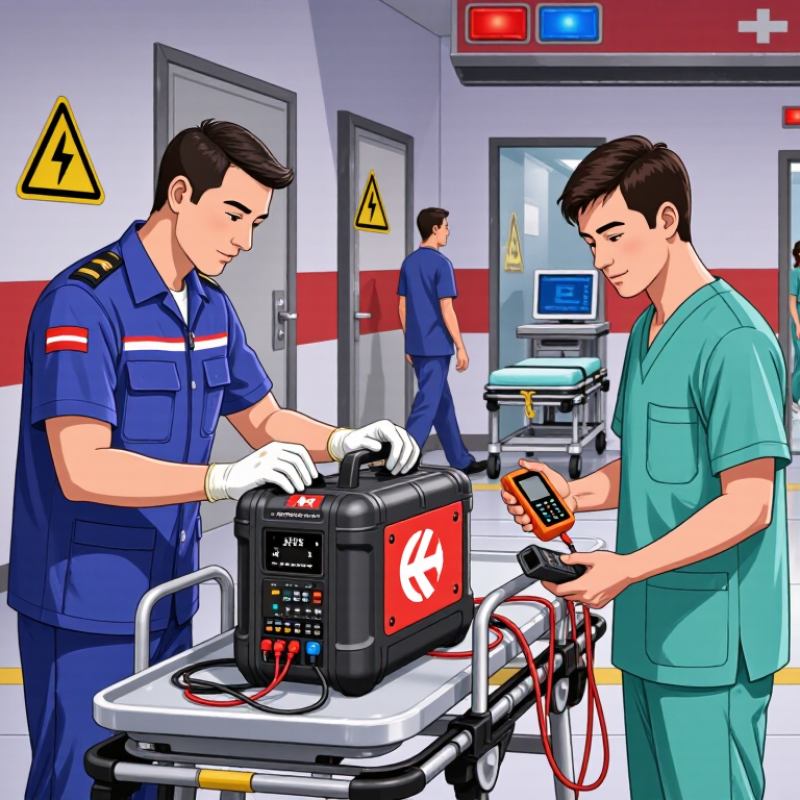
Identifying Electrical Hazards in Medical Equipment
Identifying electrical hazards in medical equipment starts with the patient’s environment, not the device label. Damaged insulation, loose plugs, wet surfaces, overloaded outlets, and missing protective earth connections can create shock or fire risks. The World Health Organization’s Global Patient Safety Report 2024 states that about one in ten patients is harmed during healthcare. More than half of this harm is considered preventable. Electrical faults are not always recorded separately, making local inspection essential. A warm plug is a warning. So is a flickering display.
Tips: Check cords for cuts, crushed sections, discoloration, or exposed conductors before use. Keep fluids away from sockets and power strips. Never bypass a grounding pin. Do not unplug critical equipment without clinical authorization and a replacement plan. Qualified technicians should test leakage current, grounding, and insulation after repair or relocation. IEC 62353 provides a recognized framework for recurring electrical safety tests on medical equipment.
ECRI’s 2024 Top 10 Health Technology Hazards report emphasizes risks linked to aging equipment, weak maintenance, and unsafe use. A checklist helps, but it can still miss a loose internal connection or hidden moisture. Staff should record inspection results, unusual smells, heat, alarms, and repeated fuse failures. The U.S. FDA’s MAUDE reporting system also shows why near misses deserve attention, not only injuries. Some teams report too late. That habit needs honest review. Isolation procedures must protect both the patient and the technician.
Reviewing Equipment Manuals, Labels, and Isolation Requirements
Medical equipment isolation begins with the documents beside the device. Read the current service manual, not an old photocopy. Note the shutdown order, isolation points, stored energy, and required test instruments. Manuals often separate operator shutdown from service isolation. That difference matters. Check the revision date and equipment configuration. A small model change can alter the procedure. If instructions conflict, stop and ask the clinical engineering lead. Guessing is not a control measure.
Tips: Keep the manual open during isolation. Compare every label with the physical layout. Look for mains disconnects, battery supplies, capacitors, remote feeds, and connected accessories. A bright red switch may isolate only one circuit. It may not remove internal energy. Mark the exact disconnect, then verify the absence of voltage with a suitable tester. Test the tester before and after. Record who isolated the equipment.
A careful isolation check is slow and deliberate. Inform affected staff, remove the device from patient use, and prevent unexpected reconnection. Apply the site’s authorized lock or warning device where required. Never rely on a dark screen. Some displays fade while batteries remain active. Labels can become faded, hidden, or inaccurate after installation changes. That is uncomfortable. It should trigger correction, not improvisation. Photograph unclear labels, update the equipment record, and request competent review before service continues.
Disconnecting Power Safely Before Inspection or Maintenance
Disconnecting power safely is the most important step before inspecting or maintaining medical equipment. A dark display does not prove the device is electrically safe. Turn off the approved control, unplug the power cord, and isolate connected accessories. Remove or disconnect batteries when the service procedure permits it. Some devices retain charge in capacitors after shutdown.
Only trained and authorized personnel should perform internal work. Follow the equipment service manual and the facility’s isolation procedure. Apply a clear lock or warning tag when required. Keep the plug within sight, or use an approved isolation point. Test the outlet and equipment with a suitable, verified meter. Check for zero energy before touching internal components. Wear task-appropriate protective equipment, and keep the work area dry and uncluttered.
Tips: Photograph cable connections before removal. Label each lead. Wait the specified discharge time. Never rely on memory. A second person can confirm isolation, especially in busy clinical areas. I have seen experienced technicians skip a verification step when alarms were urgent. That mistake is easy to repeat. Patient-connected accessories deserve extra care; separate them without pulling or twisting cables. If power cannot be fully isolated, stop and escalate to a qualified biomedical professional. Do not guess. Small warning labels may be overlooked, and a partially connected battery can leave unexpected voltage inside. Record the isolation, test results, and any abnormal findings before restoring power.
Using Grounding, Protective Devices, and Suitable Test Instruments
Top 10 Electrical Safety and Isolation Tips for Medical Equipment
Grounding is the first physical barrier against electric shock. Confirm the protective earth connection before connecting patient-use equipment. Check the plug, cable, strain relief, and socket for heat marks or cracks. Use equipotential bonding where several devices operate around one patient. A loose earth path can remain hidden.
Install suitable protective devices for the clinical environment. Residual-current protection can reduce shock risk, but it must suit the equipment’s leakage characteristics. Never bypass a tripped device. Isolate power before servicing, then secure the isolator against accidental reconnection. Verify the circuit is dead with a rated voltage tester. Do not trust the switch position alone.
Use calibrated test instruments designed for medical electrical checks. A multimeter helps verify voltage and continuity, while an electrical safety analyzer measures protective-earth resistance, insulation, and patient leakage. Inspect test leads before use. Record each result, instrument status, equipment ID, and technician name. I have learned that hurried testing creates false confidence. A visual check can miss a damaged conductor. Repeating a doubtful measurement is safer than accepting a perfect-looking number. Qualified personnel should compare results with applicable standards and the equipment’s service instructions before returning it to clinical use.
Top 10 Electrical Safety and Isolation Tips for Medical Equipment
Practical priority weighting for grounding, protective devices, isolation procedures, and suitable electrical test instruments.
Use the checklist from left to right: inspect the equipment, isolate all energy sources, verify the absence of voltage, confirm protective-earth continuity, and perform only the tests permitted by the applicable medical-equipment standard and manufacturer instructions. Priority scores are practical checklist weightings, not incident statistics.
Restoring Power and Verifying Safe Equipment Operation
Top 10 Electrical Safety and Isolation Tips for Medical Equipment
Restoring power is not a switch-flipping exercise. It is a controlled clinical risk assessment. After an outage, confirm the isolation point, inspect cables, plugs, outlets, and casing for heat, moisture, or cracks. Keep damaged equipment disconnected.
NFPA’s analysis of 2011–2015 data estimated 5,700 structure fires annually in healthcare facilities. That figure makes post-outage inspection more than routine paperwork. Remove temporary power sources before reconnecting permanent supplies. Verify grounding, protective devices, and required voltage with calibrated test equipment. Do not rely on a green indicator alone. It can lie.
Restore power in stages, not all at once. Observe alarms, displays, fans, pumps, and unusual smells during startup. Check battery status and confirm that stored settings remain correct. Run the equipment’s self-test, then compare readings with the service manual and clinical requirements. WHO reports that about one in ten patients experiences harm during healthcare delivery, with more than half considered preventable in many settings. A rushed restart can create another preventable event. The checklist may still miss something. Ask a second qualified person to review the isolation record, test results, and final operating condition before patient use. Document the time, measurements, faults, and person who approved release. Small details matter.
FAQS
Check cords for cuts, crushed areas, exposed wires, and discoloration. A warm plug matters. Keep wet surfaces away from sockets and power strips.
Protective grounding helps direct fault current away from patients and staff. Never remove a grounding pin. A loose earth connection can remain hidden.
Stop and report warm plugs, flickering screens, burning smells, repeated fuse failures, or unexpected alarms. Do not ignore near misses. Small warnings can precede serious faults.
Read the current service manual and identify every power source. Check mains supplies, batteries, capacitors, and connected accessories. A dark screen is not proof of isolation.
Mark the correct disconnect and prevent accidental reconnection. Test the voltage tester before and after checking the circuit. Record who performed the isolation.
Stop the work and ask a competent technical lead for guidance. Photograph unclear labels and update equipment records. Guessing is not a control measure.
Use calibrated instruments designed for medical electrical testing. A multimeter checks voltage and continuity. A safety analyzer measures leakage, insulation, and protective-earth resistance.
Record the equipment identification, test results, instrument status, and technician name. Repeat doubtful measurements. A perfect-looking number may still be wrong.
Conclusion
Electrical safety in medical rescue equipment begins with recognizing potential hazards such as damaged cables, exposed conductors, moisture, overheating, unexpected movement, and stored electrical energy. Before inspection or maintenance, technicians should review the equipment manual, warning labels, and isolation requirements to understand shutdown procedures and identify all possible power sources. Power must be disconnected safely, including batteries or auxiliary supplies where applicable, and the equipment should be secured against accidental reconnection.
To Ensure electrical safety and isolation in medical rescue equipment, personnel should use appropriate grounding methods, protective devices, and properly rated test instruments. Inspections should be performed only with suitable personal protective equipment and verified procedures. After maintenance, restore power gradually and confirm that protective covers, connections, alarms, and controls are correctly installed. Functional testing should verify safe operation, stable performance, and the absence of abnormal heat, noise, or electrical readings before the equipment is returned to service.

 Vdi Medical