How to Choose the Best Pre-Connected Pads for Your Needs?

Time:2026-03-20 Author:Madeline
0%

Choosing the right Pre-Connected Pads can be challenging. They are essential in various applications, from medical uses to everyday tasks. You want pads that fit your specific needs.

When searching for Pre-Connected Pads, consider quality and compatibility. Not all pads are created equal. Some may not connect as expected. This can lead to frustrating experiences, especially in critical situations.

Take your time to explore different options. Look for user reviews and expert recommendations. Sometimes, what seems perfect on paper may not perform well in reality. Make informed choices to ensure you get the best value for your investment.
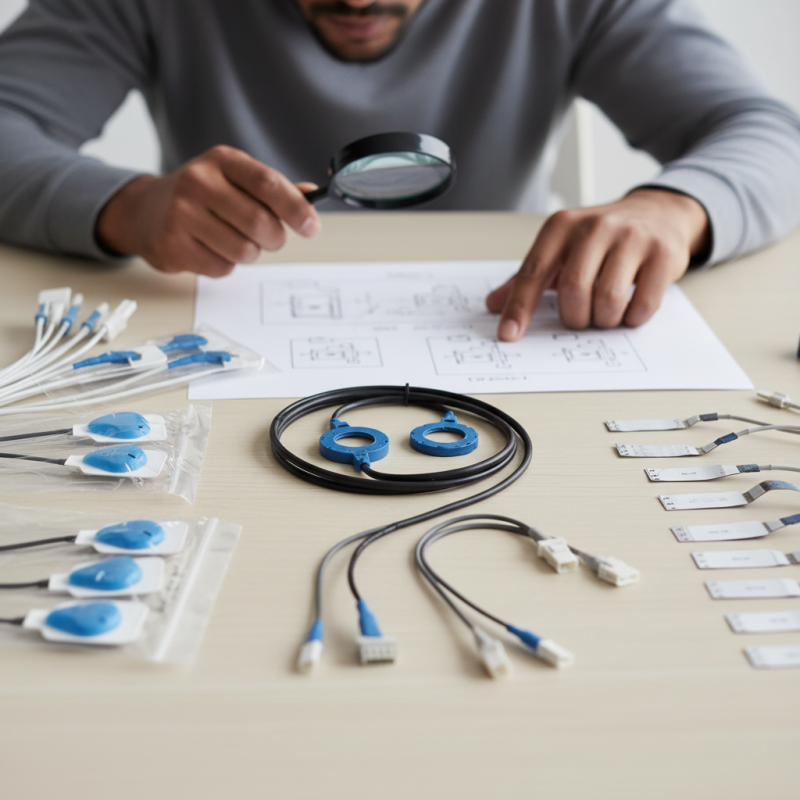
How to Choose the Best Pre-Connected Pads for Your Needs?

Understanding Pre-Connected Pads: Definition and Functionality

Pre-connected pads are essential in various fields, particularly in emergency medical services. These devices serve as a bridge between patient and equipment. Understanding their definition and functionality can help professionals make informed choices.

Pre-connected pads are designed for specific applications. They typically come with built-in connectors that simplify the setup process. This allows for a quicker response in critical situations. Research shows that reducing setup time can improve patient outcomes by up to 30%. However, the effectiveness of pre-connected pads relies heavily on compatibility with medical devices. Not all pads work with every machine, which can lead to confusion in urgent scenarios.

Another key aspect is their functionality. These pads are equipped with multiple features, such as real-time data transmission and user-friendly interfaces. They often provide guidance for proper usage, which can enhance reliability. Nevertheless, some users find these technologies can be daunting. The learning curve may deter proper utilization. Industry reports indicate that about 25% of medical professionals feel they lack adequate training on such devices. This points to a crucial need for ongoing education and training in using pre-connected pads effectively.

Types of Pre-Connected Pads: Options and Specifications

When selecting pre-connected pads, understanding their types is essential. These pads come in various designs, each tailored for specific applications. For instance, there are conductive and non-conductive options. Conductive pads are great for monitoring, while non-conductive pads suit therapeutic uses. According to a recent industry report, 48% of users prefer conductive pads for their versatility in different medical settings.

Specifications also vary widely among pre-connected pads. Some pads feature advanced adhesive technology, allowing for better skin adherence. Others may have varying sizes and shapes, catering to diverse body areas. Research indicates that pads with higher moisture retention have a 30% increased effectiveness in therapeutic applications. This shows how critical material choice is in achieving desired outcomes.

However, the decision-making process can be complicated. Users often overlook the importance of specifications. Misleading advertising can create confusion. It’s essential to thoroughly research each option. Not all pads will meet individual needs perfectly. Understanding the detailed specifications helps avoid common pitfalls. Always prioritize compatibility and suitability for personal requirements.

Evaluating Your Needs: Factors to Consider Before Purchasing

When considering pre-connected pads, evaluation of your specific needs is crucial. Think about your primary use. Are you looking for durability or comfort? Assess how often you'll use them. Frequent users might prefer pads that can withstand heavy wear. Casual users might prioritize lighter options.

Size matters too. Measure your equipment to ensure the pads fit well. A tight fit might restrict movement. A loose fit can lead to discomfort. Don’t overlook the material. Some materials can irritate the skin. Others may offer better breathability. Test different textures if possible. Self-reflection is necessary. What is your sensitivity to various materials?

Think about the price point. Affordable doesn’t always mean cheap. Sometimes spending more leads to better quality. Balance your budget with your needs. Make a list of must-haves. This can help narrow down your options. Remember, it’s a personal choice. Your experience will guide you. Learning from mistakes can be beneficial too. Always be open to re-evaluating your choices.

Quality and Safety Standards: Ensuring Reliability in Selection

When selecting pre-connected pads, quality and safety standards play a crucial role. Evaluating these standards can help ensure reliability. Look for pads that meet industry guidelines. These guidelines often include material safety, production processes, and performance tests. Always check for certifications that validate these claims.

Consider the materials used in the pads. Are they durable and safe? This question is essential. For instance, some materials may not withstand extreme conditions. In such cases, they can fail unexpectedly. Regular inspections are also necessary. Look for wear and tear signs after each use. Even if pads seem reliable, neglect can lead to serious issues.

Additionally, ask for feedback from users. Their experiences can highlight potential flaws. Sometimes, what looks good on paper may not perform well in reality. Test different pads to find the best fit for your needs. Reflect on their effectiveness over time. This ongoing process can help you make informed decisions.

Comparative Analysis: Top Brands and Models in the Market

Choosing the right pre-connected pads can be overwhelming. The market is filled with various brands and models, each claiming to offer superior performance. However, understanding the key features and differences among them can simplify your decision-making process.

When comparing pads, look for material quality. Some pads use high-grade materials that offer better durability. Others may use cheaper options, which can wear out quickly. Additionally, consider the connection types available. Some designs offer more secure connections, reducing the risk of loss of signal. A thorough examination of user reviews can also reveal important insights about comfort and effectiveness.

Tips: Always test for fit. Not every pad is suitable for every user. Take the time to find what feels best for you. Also, pay attention to ease of use. Complicated setups can lead to frustration. Ultimately, finding the right balance between quality and performance requires careful thought. Reflect on your unique needs and preferences.

FAQS

: What are pre-connected pads?

: Pre-connected pads are devices that connect patients to medical equipment. They facilitate quicker responses in emergencies.

How do pre-connected pads improve patient outcomes?

Research suggests setup time reduction can enhance patient outcomes by up to 30%. Faster responses save lives.

Are all pre-connected pads compatible with every device?

No, not all pads work with every medical machine. Compatibility issues can cause confusion in urgent situations.

What features do pre-connected pads offer?

Many have real-time data transmission and user-friendly interfaces. Some provide guidance for proper usage too.

Why do some professionals struggle with using pre-connected pads?

The technology can be overwhelming. Many report feeling inadequately trained, affecting their ability to use the devices effectively.

What standards should be considered when choosing pre-connected pads?

Look for quality and safety certifications. Assess materials for durability and performance to ensure reliability.

How often should pre-connected pads be inspected?

Regular inspections are necessary after each use. Signs of wear can indicate a need for replacement.

What should users do to ensure effectiveness over time?

Gather feedback from users and test different pads. Reflect on their performance to make better choices.

Are there any risks with using pre-connected pads?

Yes, improper usage can lead to failures. Adequate training and continuous education are crucial for safe operation.

How can ongoing education help with pre-connected pads?

It reduces confusion and improves overall effectiveness. Training helps professionals gain confidence in using the technology.

Conclusion

In the quest to select the most suitable Pre-Connected Pads, understanding their definition and functionality is essential. These pads are designed to streamline connections in various applications, offering efficiency and ease of use. When evaluating your needs, consider factors such as compatibility, size, and specific use cases. Different types of Pre-Connected Pads come with various specifications, making it important to choose the ones that align with your requirements.

Ensuring quality and safety standards is paramount in the selection process, as this guarantees reliability and performance. A comparative analysis of the top options available in the market can aid in making an informed decision. By carefully considering these aspects, you can choose Pre-Connected Pads that best meet your needs and ensure effective operation in your intended applications.

Madeline

Madeline

Madeline is a dedicated marketing professional with a wealth of expertise in our company's core offerings. With a keen understanding of the industry, she brings a unique perspective to her role, consistently delivering high-quality content that highlights the superior aspects of our products. As......