10 Best Solutions to Ensure Reliable Power Supply in Extreme Conditions?

Time:2026-08-10 Author:Henry
0%

In today’s world, ensuring reliable power supply under extreme environmental conditions is more critical than ever. Natural disasters and unpredictable weather patterns challenge our energy infrastructure. Whether in remote areas or during catastrophic events, access to electricity can be a game-changer.

Understanding the solutions available is essential. Experts suggest diverse approaches, from solar energy to advanced battery technologies. Each option presents its own strengths and weaknesses. Community resilience often depends on the reliability of power sources in times of need. An inadequate power supply can exacerbate crises, highlighting the urgency for robust solutions.

As we explore the best methods to maintain energy supply, we must reflect on past failures. Many systems have faltered under pressure. Learning from these experiences can drive better planning. By focusing on innovation, we can create strategies that withstand the harshest conditions. Ensuring reliable power supply under extreme environmental conditions is not just a goal; it's a necessity for survival.
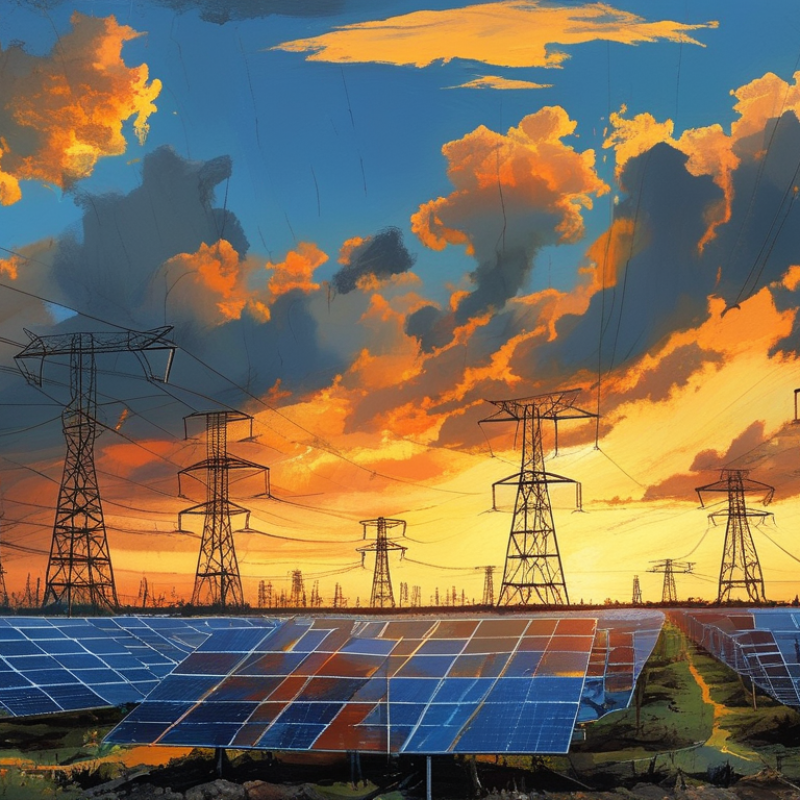
10 Best Solutions to Ensure Reliable Power Supply in Extreme Conditions?

Identifying Extreme Conditions Affecting Power Supply Reliability

Extreme conditions can severely impact power supply reliability. Natural disasters like hurricanes, earthquakes, and floods disrupt electrical grids. According to a report from the International Energy Agency, over 20% of global energy infrastructure faces risks from extreme weather events. This statistics highlights the urgency for enhanced resilience in power systems.

Understanding these extreme conditions is crucial. Temperature fluctuations can affect equipment performance, leading to failures. A study by the U.S. Department of Energy indicated that high temperatures can reduce the capacity of transmission lines by 25%. Additionally, heavy snowfall can weigh down power lines, causing outages. However, many areas lack effective monitoring systems to predict and mitigate these risks.

Interdependency between different infrastructure types can also amplify power supply challenges. A surge in demand during adverse weather events often leads to systemic failures. Data from the Electric Power Research Institute shows that blackouts can cost economies billions annually. Investing in smart grid technologies could mitigate these issues, as they provide real-time data to enhance response strategies.

10 Best Solutions to Ensure Reliable Power Supply in Extreme Conditions

Solution Description Effectiveness in Extreme Conditions Cost Estimate
Backup Generators Provide alternative power in case of outages. High $5,000 - $20,000
Uninterruptible Power Supply (UPS) Maintains power during short outages. Medium $200 - $5,000
Renewable Energy Sources Utilizes wind, solar, and hydro power. High $10,000 - $50,000
Energy Storage Systems Stores energy for use during outages. High $1,000 - $30,000
Microgrids Self-sufficient energy systems capable of operating independently. Very High $500,000 - $1,500,000
Power Quality Equipment Improves reliability of electricity supply. Medium $500 - $10,000
Load Shedding Strategies Manages electricity demand during peak times. Medium $2,000 - $25,000
Tree Trimming and Maintenance Prevents power outages caused by fallen trees. High $500 - $5,000
Smart Grid Technology Enhances monitoring and management of electricity supply. Very High $100,000 - $1,000,000

Assessing Power Supply Technologies for Harsh Environments

In extreme environments, reliable power supply is critical. Harsh conditions can lead to equipment failure and operational downtime. Power supply technologies must be robust, adaptable, and efficient. According to industry reports, nearly 40% of power outages are caused by weather-related phenomena. This highlights the need for resilient solutions.

One effective approach is the implementation of solar energy combined with energy storage systems. This hybrid solution allows for greater flexibility, especially in remote areas. A recent study indicated that combined solar and battery systems can improve energy availability by up to 70% in adverse conditions. However, the initial costs and the need for maintenance in tough climates remain concerns.

Fuel cells present another viable option. They offer low emissions and high efficiency. Data from energy sector analyses suggests that fuel cells can operate effectively in temperatures as low as -40°C. Still, the challenge lies in the supply chain for fuel and the limited infrastructure in certain regions. Each technology has advantages, but also limitations that require careful consideration in extreme conditions.

10 Best Solutions to Ensure Reliable Power Supply in Extreme Conditions

This chart illustrates the effectiveness of various power supply technologies used in extreme environments, measured in reliability percentage under harsh conditions.

Implementing Backup Power Systems for Continuous Supply

In extreme conditions, maintaining a reliable power supply is critical. Backup power systems play a vital role in ensuring continuity. According to the U.S. Department of Energy, outages can cost businesses an average of $150 billion annually. Implementing robust backup systems can mitigate these losses. Systems like generators, batteries, and solar backups are essential.

While many organizations invest in backup power, not all implement it effectively. Reports suggest that nearly 30% of companies lack a tested backup plan. Regular testing is crucial to verify that systems function as intended during crises. Additionally, integrating multiple sources of backup power can enhance reliability. This multi-layered approach ensures that if one system fails, others can support essential operations.

However, there are challenges. Key issues include high initial costs and maintenance demands. Improper installation can lead to critical failures. Regular assessments and upgrades are necessary. Choosing the right technology requires expertise and thorough understanding. Investing in training ensures operators can respond effectively to any situation.

Utilizing Renewable Energy Sources for Enhanced Stability

In extreme conditions, the reliability of power supply is crucial. Renewable energy sources can enhance stability. Solar panels and wind turbines are often used in remote areas. They provide energy without the need for extensive infrastructure. Despite their benefits, they aren’t perfect. Weather can affect energy production. For instance, cloudy days reduce solar output. Wind can be unpredictable too.

Tips for using renewable energy effectively include diversifying energy sources. Combining solar, wind, and hydropower can create a more stable system. Backup energy storage is also essential. Batteries can store excess energy for later use. This ensures a continuous power supply even when conditions change. Regular maintenance of renewable systems is vital. It can prevent unexpected breakdowns and inefficiencies.

Consider the local environment when planning renewable energy systems. Some regions may be better suited for wind power. Others may see more sun, making solar energy more feasible. Understanding the limitations of each method is key. It allows for better preparedness in harsh conditions. The combination of these strategies can lead to a reliable and sustainable energy future.

Establishing Maintenance Protocols for Long-term Reliability

In extreme conditions, maintaining a reliable power supply becomes critical. Establishing comprehensive maintenance protocols is essential for long-term reliability. Regular inspections can prevent failures. This proactive approach ensures all systems remain operational during challenging situations. According to a report by the Electric Reliability Council, regular maintenance reduces outage times by up to 25%. This statistic emphasizes the importance of investing time in developing these protocols.

Moreover, documenting maintenance schedules is vital. Clear records allow teams to track performance and anticipate potential issues. By employing data analytics, companies can identify patterns that may lead to failures. A survey by the Institute of Electrical and Electronics Engineers found that 70% of electrical failures stem from inadequate maintenance practices. This highlights a significant need for improvement in many organizations.

Training personnel on emergency protocols is another key aspect. Workers should be familiar with immediate response strategies. This not only enhances safety but also minimizes downtime during power outages. A well-prepared team can respond quickly, mitigating the impact of extreme conditions. Yet, many organizations may overlook ongoing training, leading to gaps in knowledge and safety. Reflection on these practices is necessary to enhance overall reliability.

FAQS

: What extreme conditions can affect power supply reliability?

: Natural disasters like hurricanes and floods disrupt electrical grids. These events can lead to significant outages.

How do temperature fluctuations impact power supply?

High temperatures can reduce transmission line capacity by 25%. This affects overall equipment performance and reliability.

Why is monitoring of extreme conditions important?

Many areas lack effective monitoring systems. This absence can prevent timely responses to risks and lead to outages.

What role does infrastructure interdependency play in power supply?

Interdependency can amplify challenges. Increased demand during extreme weather often results in systemic failures.

How can renewable energy enhance stability in power supply?

Renewable sources like solar and wind can provide energy in remote areas. They require less infrastructure to operate.

What are some limitations of renewable energy sources?

Weather significantly affects production, such as cloudy days reducing solar output. Wind energy can be unpredictable too.

How can one use renewable energy effectively?

Diversifying energy sources is key. Combining wind, solar, and hydropower creates a more reliable energy system.

Why is regular maintenance of power systems essential?

Regular inspections prevent unexpected failures. Documenting schedules helps to track performance and anticipate issues.

How can training personnel improve power supply reliability?

Familiarity with emergency protocols reduces downtime. Ongoing training helps prevent gaps in knowledge and enhances safety.

What should organizations reflect on to enhance reliability?

Investing in maintenance and training practices is crucial. Reflection on current strategies can help identify areas for improvement.

Conclusion

Ensuring a reliable power supply under extreme environmental conditions is essential for maintaining critical operations across various sectors. To achieve this, it is vital to identify the specific extreme conditions that can impact power reliability, such as extreme temperatures, severe weather, and geographical challenges. Assessing appropriate power supply technologies designed for harsh environments ensures that systems are robust enough to withstand these challenges.

Implementing backup power systems, such as generators or battery storage, can provide a continuous energy supply during outages, further enhancing reliability. Additionally, incorporating renewable energy sources can contribute to overall stability, reducing dependence on conventional power grids. Finally, establishing comprehensive maintenance protocols is crucial for long-term operational reliability, ensuring that all systems function optimally even in the most demanding conditions.

Henry

Henry

Henry is a dedicated marketing professional with a profound expertise in the company's offerings. With years of experience in the industry, he possesses an impressive understanding of the market dynamics and consumer behaviors that drive success. Henry is committed to sharing his insights through......