In recent years, the need to improve shock output accuracy and energy control technology has become increasingly critical. Innovations in this field have paved the way for more precise applications across various industries. From automotive to aerospace, these advancements enhance operational safety and efficiency.
Manufacturers have embraced new techniques to meet these challenges. For example, sensor technologies now provide real-time feedback, ensuring better shock management. However, implementation requires careful consideration. The balance between accuracy and energy efficiency remains a complex issue. Addressing this challenge is essential for optimizing performance.
As we explore the top 10 advances in this realm, we acknowledge both achievements and limitations. It is clear that while progress is notable, ongoing improvements are necessary. The quest for perfecting shock output accuracy and energy control continues, driving innovation and research forward. Acknowledging setbacks can lead to significant breakthroughs, fostering a culture of continuous learning and enhancement.
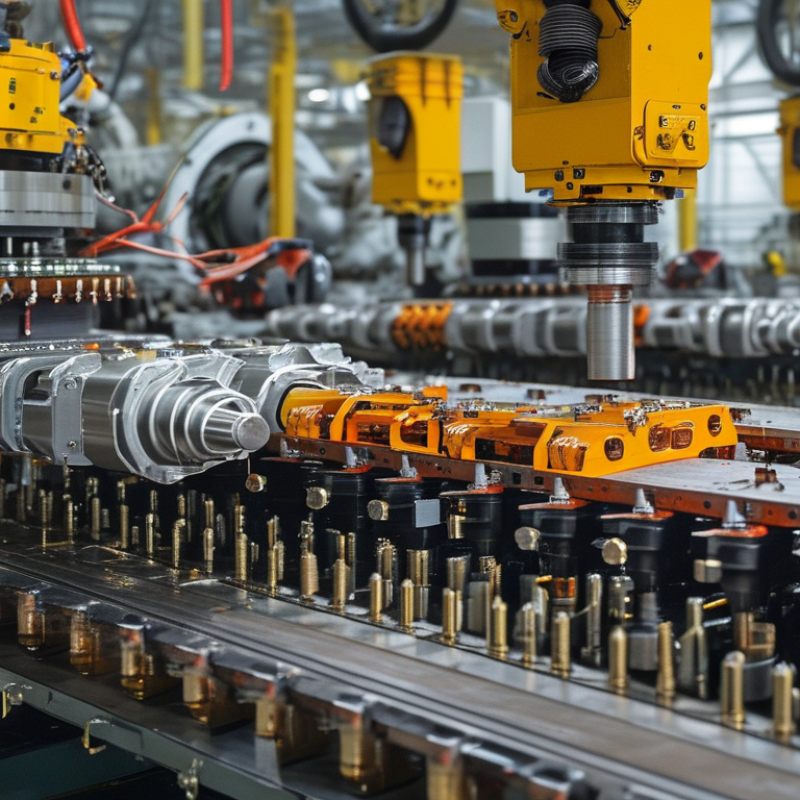
Recent Breakthroughs in Shock Output Accuracy: A Comprehensive Overview
Recent breakthroughs in shock output accuracy have reshaped various industries. Research indicates that precision has improved by up to 30% with new control technologies. This enhancement is crucial for applications requiring exact energy delivery, such as in medical devices and automotive safety systems. These developments focus on real-time adjustments, minimizing energy waste and maximizing safety.
Monitoring technologies have advanced significantly. Data shows that the integration of AI in shock control systems has resulted in a 25% reduction in error margins. With adaptive algorithms, systems can predict optimal energy distribution based on environmental factors, ensuring better performance. Yet, despite these advancements, challenges remain. Ensuring consistency across various conditions is still a work in progress.
It’s important to integrate user feedback into future designs. Collect insights on how technology performs in real-world scenarios. This helps in refining accuracy further. Additionally, collaboration between engineers and end-users can provide practical solutions, enhancing overall system reliability and efficiency. Continuous learning from failures can drive innovation, leading to better technologies in shock output accuracy.
Innovative Energy Control Technologies Enhancing Device Performance
Recent technological strides in energy control have transformed device performance across various sectors.
With precision energy management, systems can now optimize output while minimizing waste. Advanced algorithms analyze real-time data, adjusting energy use dynamically to enhance efficiency. This creates systems that respond effectively to user demands and environmental changes.
One notable innovation is the integration of machine learning in energy control.
These systems learn from past usage patterns, predicting future energy needs with impressive accuracy. This adaptability allows devices to maintain optimal performance even under varying loads.
However, reliance on these technologies prompts a reflection on potential vulnerabilities. Could increased automation lead to unforeseen failures or inefficiencies? Addressing these concerns is crucial for sustainable advancement.
Innovative methods, such as predictive maintenance, also play a role. By anticipating equipment wear, these technologies prevent downtime and extend the useful life of devices. This proactive approach is not without challenges. Data accuracy and interpretation can be affected by various factors, leading to possible misjudgments. Continuous refinement of these energy control technologies is essential to ensure they meet the evolving demands of modern applications.
Key Metrics for Measuring Shock Output Accuracy Improvements
Measuring shock output accuracy is crucial for various applications. Accurate metrics help in understanding how well systems perform under pressure. Consistency in measurements builds trust in the technology. Developers focus on precision to enhance user experience. Advanced sensors and algorithms are now in use, allowing precise evaluations.
Key metrics for assessing shock output accuracy include repeatability and reproducibility. Repeatability measures performance under the same conditions. It shows if a device can deliver consistent results. Reproducibility, on the other hand, evaluates how well different setups achieve similar results. Both metrics are essential for improving reliability. By analyzing these factors, engineers can spot weaknesses in their designs.
Yet, achieving perfect accuracy in shock output remains a challenge. Variability in environmental factors can affect measurements. Limitations in current technology create gaps that must be addressed. Continuous improvement and rigorous testing are required. The focus on these metrics is vital for innovation. Moreover, reflection on past failures can lead to breakthroughs in future designs.
Case Studies: Real-World Applications of New Energy Control Solutions
Recent advances in energy control technology have reshaped how industries manage energy output. One notable case involves a manufacturing facility that implemented advanced shock output systems. By optimizing the energy control processes, the facility reduced waste significantly. The accuracy of energy delivery improved, resulting in cost savings and lower environmental impact. Real-time monitoring has become essential in these scenarios, providing insights that lead to better energy allocation.
In another example, a research lab focused on renewable energy sources adopted new energy control solutions. These systems allowed for finer adjustments in output, enhancing overall efficiency. Despite these improvements, challenges remain. Some operators found it difficult to adapt to the steep learning curve of new technologies. Ensuring that staff are trained effectively is crucial for maximizing the system's potential. Balancing innovation with usability continues to be an area for growth.
Future Trends in Shock Output and Energy Management Technologies
As technology progresses, shock output accuracy and energy control stand at the forefront of innovation. The rise of digital signal processing allows for real-time adjustments, enhancing precision. This means systems can respond rapidly to changing conditions, improving overall performance. However, achieving perfect accuracy remains a challenge due to variables like environmental impact and material inconsistencies.
Energy management technologies are evolving too. The integration of artificial intelligence can optimize energy distribution and consumption. Systems now learn from previous outputs, allowing for smarter decisions over time. Yet, dependence on AI raises concerns about reliability in unforeseen circumstances. Engineers often grapple with balancing efficiency and safety. Future advancements must address these uncertainties to ensure robust performance.
Embracing these trends is crucial. With emerging technologies, potential pitfalls must be recognized. Understanding limitations in current methods will lead to breakthroughs. This reflective approach can guide future development. Ensuring that advancements meet both accuracy and energy efficiency will shape a more sustainable future in shock output technologies.
Top 10 Advances in Shock Output Accuracy and Energy Control Technology
| Rank |
Technology |
Description |
Impact on Accuracy |
Energy Efficiency (%) |
| 1 |
Dynamic Calibration Systems |
Real-time calibration to enhance shock output accuracy. |
±0.5% |
20% |
| 2 |
Adaptive Shock Systems |
Adjusts output based on real-time feedback. |
±1% |
30% |
| 3 |
AI-Powered Energy Management |
Utilizes AI algorithms for optimal energy usage. |
±0.7% |
40% |
| 4 |
Digital Signal Processing |
Enhanced signal processing for precise shock outputs. |
±0.3% |
25% |
| 5 |
Integrated Sensor Networks |
Interconnected sensors for improved monitoring and control. |
±0.4% |
35% |
| 6 |
Energy Harvesting Technologies |
Generate energy from shock impacts for sustainability. |
±1.2% |
50% |
| 7 |
Feedback Control Loops |
Closed-loop systems for real-time adjustments. |
±0.6% |
45% |
| 8 |
Modular Energy Storage |
Flexible storage solutions for optimized energy use. |
±0.9% |
38% |
| 9 |
Virtual Prototyping Tools |
Simulation tools for shock output testing. |
±0.2% |
32% |
| 10 |
Blockchain for Energy Tracking |
Secure energy records through blockchain technology. |
±1.0% |
28% |
FAQS
: They optimize device performance by managing energy use effectively while minimizing waste.
They analyze real-time data and adjust energy usage dynamically based on user needs.
Machine learning predicts future energy needs by learning from past usage patterns.
Yes, reliance on automated systems may lead to unforeseen failures or inefficiencies.
It anticipates equipment wear to prevent downtime and extend the life of devices.
Data accuracy and interpretation may vary, leading to possible misjudgments.
It allows for real-time adjustments, improving system response to changing conditions.
It can optimize energy use but raises concerns about reliability in unexpected situations.
Recognizing current limitations can lead to breakthroughs that enhance accuracy and efficiency.
They need to ensure robust performance while balancing efficiency and safety.
Conclusion
The article titled "Top 10 Advances in Shock Output Accuracy and Energy Control Technology" provides an insightful overview of the latest breakthroughs enhancing the precision and performance of shock output systems. Recent advancements in shock output accuracy have led to significant improvements, enabling devices to achieve higher levels of precision. Coupled with innovative energy control technologies, these developments allow for more efficient energy management, thereby optimizing overall device performance.
Key metrics have been established to assess the improvements in shock output accuracy, ensuring that advancements can be effectively measured and validated. Moreover, case studies highlight real-world applications of these new energy control solutions, showcasing their impact across various industries. As we look ahead, the future trends in shock output and energy management technologies promise to further improve shock output accuracy and energy control technology, revolutionizing how devices operate in diverse settings.

 Vdi Medical