Water and dust can enter electrical systems through tiny gaps, damaged seals, loose cable glands, or poorly fitted covers. A system may look protected while moisture slowly reaches terminals, sensors, and circuit boards. This guide, “2026 How to Waterproof and Dustproof Electrical Systems,” explains practical methods for improving protection in real operating environments.
Effective protection begins with a careful site assessment. Check exposure to rain, condensation, washdown water, salt mist, vibration, and airborne particles. Inspect enclosure joints, door gaskets, conduit entries, and unused openings. A flashlight can reveal uneven sealing surfaces. Clean, dry contact points matter more than many installers expect. Choose enclosures and cable glands with suitable IP ratings under IEC 60529. The rating should match the actual environment, not only the product label. Proper drainage also matters. Trapped water can damage equipment even inside a sealed enclosure.
This article presents tested approaches to Enhance waterproof and dustproof performance of electrical systems. It covers enclosure selection, gasket maintenance, cable entry design, protective coatings, ventilation, and inspection routines. Small details often decide long-term reliability. Do not rely on sealant alone. It can crack, shrink, or hide installation defects. No enclosure stays perfect forever. Temperature changes, vibration, and aging can weaken protection over time. That reality deserves attention. Some recommendations may require adjustment after field testing, because coastal plants, workshops, and outdoor cabinets face different stresses. Reliable protection comes from sound design, skilled installation, documented inspections, and honest review of failures. Even a minor water mark can provide an important warning.
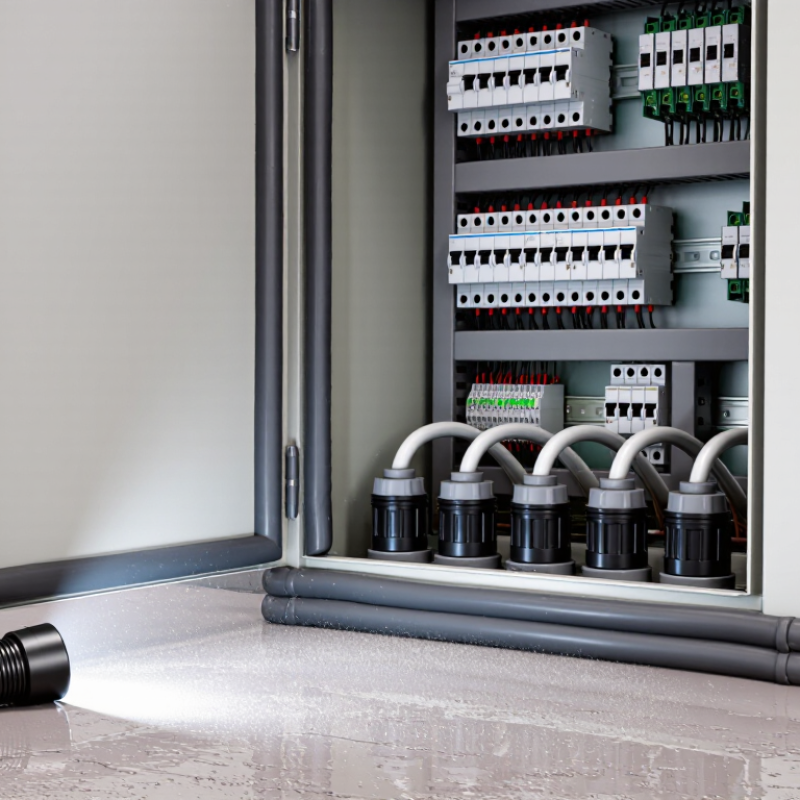
Understanding Waterproof and Dustproof Protection Ratings
2026 How to Waterproof and Dustproof Electrical Systems
Understanding Waterproof and Dustproof Protection Ratings
An IP rating shows how well an electrical enclosure resists solids and water. The first digit measures dust protection. The second measures water protection.
For example, IP65 means dust cannot enter in harmful quantities, while water jets are permitted. IP67 adds temporary immersion protection, usually up to one metre under defined test conditions. IP68 may allow deeper or longer immersion, but the exact limits depend on the manufacturer’s tested specification. Do not treat IP68 as unlimited waterproofing. That assumption causes expensive failures.
In practical inspections, I check cable glands, door seals, drain points, and damaged corners. A strong enclosure can still fail when a cable entry is loose. Dust often gathers around a warm control cabinet, while condensation appears after a cold night. Ratings describe tested protection, not every installation condition. This distinction is easy to overlook.
Tips: Match the rating to the real environment. Use a higher water rating near washdown areas, and confirm chemical resistance separately. Keep covers closed, replace compressed seals, and inspect cable entries after maintenance. Test the complete installed system when possible. A rating label alone is not proof of long-term performance.
2026 How to Waterproof and Dustproof Electrical Systems - Understanding Waterproof and Dustproof Protection Ratings
| IP Rating |
First Digit
Solid-Particle Protection |
Second Digit
Water Protection |
Protection Meaning |
Typical Application Guidance |
| IP00 |
0 – No protection |
0 – No protection |
No protection against solid objects or water. |
Only suitable for controlled, dry environments where external protection is provided. |
| IP20 |
2 – Objects larger than 12.5 mm |
0 – No protection |
Protected against fingers or similar objects, but not against water. |
Indoor equipment installed in dry locations with limited access to hazardous parts. |
| IP44 |
4 – Objects larger than 1 mm |
4 – Water splashes from any direction |
Protected against most small solid objects and splashing water from all directions. |
Indoor or sheltered outdoor installations exposed to occasional splashes. |
| IP54 |
5 – Dust protected |
4 – Water splashes from any direction |
Dust ingress is not completely prevented, but it must not interfere with satisfactory operation. Protected against splashing water. |
General industrial equipment in moderately dusty areas with incidental water exposure. |
| IP55 |
5 – Dust protected |
5 – Water jets |
Dust ingress is limited and protected against water projected by a nozzle from any direction. |
Industrial equipment subject to routine cleaning or moderate water jets. |
| IP56 |
5 – Dust protected |
6 – Powerful water jets |
Dust ingress is limited and protected against powerful water jets from any direction. |
Outdoor or industrial systems exposed to heavy rain, washdown, or strong water jets. |
| IP65 |
6 – Dust-tight |
5 – Water jets |
No dust ingress is permitted during the applicable test. Protected against water jets. |
Enclosures and control systems in dusty locations that require hose-down cleaning. |
| IP66 |
6 – Dust-tight |
6 – Powerful water jets |
No dust ingress is permitted during the applicable test. Protected against powerful water jets. |
Outdoor, marine, construction, and industrial equipment exposed to severe weather or washdown. |
| IP67 |
6 – Dust-tight |
7 – Temporary immersion |
Dust-tight and protected against temporary immersion in water under specified test conditions. |
Equipment that may be accidentally dropped into water or temporarily flooded. |
| IP68 |
6 – Dust-tight |
8 – Continuous immersion |
Dust-tight and protected against continuous immersion under conditions specified by the manufacturer. |
Submersible equipment, provided the permitted depth, duration, and installation conditions are verified. |
| IP69 |
6 – Dust-tight |
9 – High-pressure, high-temperature water jets |
Dust-tight and protected against high-pressure, high-temperature water jets according to the applicable test method. |
Equipment requiring intensive hygienic washdown, such as selected food-processing or heavy-duty installations. |
| IPX4 |
X – Not specified |
4 – Water splashes from any direction |
Water protection is specified, but the solid-particle protection level is not declared. |
Use only when dust or solid-particle protection is not part of the stated requirement. |
| IP6X |
6 – Dust-tight |
X – Not specified |
Dust-tight, while the water-protection level is not declared. |
Dust-critical equipment installed in areas where water exposure is separately controlled. |
|
Important: IP ratings are defined by IEC 60529 test conditions. The rating does not automatically confirm resistance to chemicals, salt spray, corrosion, condensation, UV exposure, mechanical impact, or extreme temperature. For IP67 and IP68 equipment, always verify the specified immersion depth, duration, and installation requirements. A higher water digit is not automatically a replacement for every lower-level test.
|
How to read an IP code: The first character after “IP” indicates protection against solid particles, while the second character indicates protection against water. “X” means that the relevant protection level has not been specified or tested.
Identifying Environmental Risks in Electrical System Design
2026 How to Waterproof and Dustproof Electrical Systems
Identifying Environmental Risks in Electrical System Design
Water and dust rarely enter through the most obvious opening. They follow cable bends, loose glands, damaged seals, and poorly closed covers. During site inspections, I look for standing water beneath enclosures, fine powder on terminals, and condensation after nighttime cooling. These details often reveal risks that drawings miss.
The environment must be assessed before selecting an enclosure rating. Rain, washdown pressure, humidity, salt spray, chemicals, ultraviolet exposure, heat, and vibration can weaken protection over time. A laboratory rating does not reproduce every installation condition. A high-rated enclosure may still fail when cables point upward or drain paths are blocked. Small design errors matter.
Dust also changes behavior. Conductive particles can bridge terminals, while abrasive dust can wear moving seals. In coastal areas, salt deposits attract moisture and accelerate corrosion. In hot spaces, internal pressure cycles can pull damp air through tiny gaps. Venting may reduce condensation, but it can also create a new contamination path. This trade-off deserves testing, not assumption.
Protection should include correctly sized cable entries, compression checks, drainage strategy, and accessible inspection points. Materials must match the chemicals and temperature range nearby. I would also test after installation, because workmanship is often less consistent than the design. That is uncomfortable, but realistic. Record failed seals, dust patterns, and moisture marks during maintenance. These observations can improve the next revision.
Applying Installation Methods for Reliable Protection
2026 How to Waterproof and Dustproof Electrical Systems
Applying Installation Methods for Reliable Protection
Reliable protection begins with selecting an enclosure suited to the environment. Check the required IP rating against water pressure, dust exposure, and cleaning routines. A sheltered outdoor panel still needs sealed cable entries. Indoor equipment may face condensation, fine powder, or accidental splashes.
Measure every cable opening carefully. Use compatible glands, sealing washers, and blanking plugs for unused holes. Tighten fittings to the specified torque, not by guesswork. Leave a gentle drip loop below outdoor entries. This directs water away from the enclosure. Keep cable joints above flood-prone surfaces. Small details matter.
I have seen dust enter through one unused knockout. The enclosure looked secure. It was not. During installation, inspect gaskets for cuts, flattening, or dirt. Clean contact surfaces before closing the cover. Avoid over-tightening, which can distort the seal. After installation, test doors, glands, and drainage paths under realistic conditions. A hose test may reveal leaks, but it cannot replace scheduled inspection.
Use corrosion-resistant fasteners where moisture and salt are present. Separate power and control cables when practical. This reduces maintenance confusion later. Qualified personnel should verify bonding, insulation, and local code requirements. Records should include enclosure ratings, torque values, test results, and inspection dates. Recheck protection after modifications. One forgotten cable entry can undo careful work.
2026 How to Waterproof and Dustproof Electrical Systems
The chart compares common IEC 60529 ingress protection ratings used for electrical enclosures.
The dust and water scores represent the corresponding IP-code digits, not a linear measurement of protection.
IP6X indicates a dust-tight enclosure, while IPX7 supports temporary immersion up to 1 metre for 30 minutes.
IPX8 applies to continuous immersion under conditions agreed between the manufacturer and user.
Inspecting, Testing, and Maintaining System Protection
Waterproof and dustproof electrical protection begins with disciplined inspection, not a higher enclosure rating alone. IEC 60529 defines IP protection using two digits: the first covers solids, while the second covers water. Inspectors should verify the specified rating against real exposure, including washdown pressure, condensation, salt, and fine dust. A loose gland can defeat an otherwise suitable enclosure.
During inspection, look for cracked seals, flattened gaskets, corrosion around fasteners, and unused cable entries. Check hinges and covers for uneven compression. Dust often collects beneath terminals and inside cooling paths. Moisture may remain hidden behind a gasket. I have seen clean exterior surfaces conceal damp conductors, which makes visual inspection incomplete.
Testing should include insulation resistance, protective-conductor continuity, and earth-fault protection checks. Record readings, test voltage, temperature, and instrument identification. NFPA 70B emphasizes documented, condition-based electrical maintenance, supporting repeatable decisions rather than guesswork. The NFPA report Fire Loss in the United States During 2023 recorded approximately 1,504,500 fires, reminding maintenance teams that small failures can become serious events. Test after cleaning, then retest after repairs. Results can drift. A perfect reading today does not prove lasting protection.
Maintenance intervals should follow exposure and operating history. Monthly checks may suit dusty production areas, while seasonal condensation requires additional inspection. Replace damaged seals promptly, but question the cause of failure. Vibration, over-tightening, or incompatible cleaning chemicals may repeat the defect. This part is often neglected. A checklist helps, but it cannot replace careful judgment.
Conclusion
This guide explains how to design, install, and maintain electrical systems that can withstand water and dust exposure in demanding environments. It begins by clarifying waterproof and dustproof protection ratings, helping readers match system requirements with actual operating conditions. It also examines environmental risks such as humidity, rain, condensation, airborne particles, chemical residue, temperature changes, and mechanical stress, all of which can weaken electrical protection over time.
The article then presents practical methods for selecting suitable enclosures, seals, gaskets, cable glands, and protective materials. Proper installation techniques, including secure cable entry, accurate sealing, drainage planning, and careful connection handling, are essential for preventing moisture and dust intrusion. Finally, it covers inspection, testing, cleaning, and scheduled maintenance to identify damage before it affects system reliability. By combining appropriate design choices with disciplined installation and maintenance, users can Enhance waterproof and dustproof performance of electrical systems and support safer, more stable operation throughout their service life.

 Vdi Medical